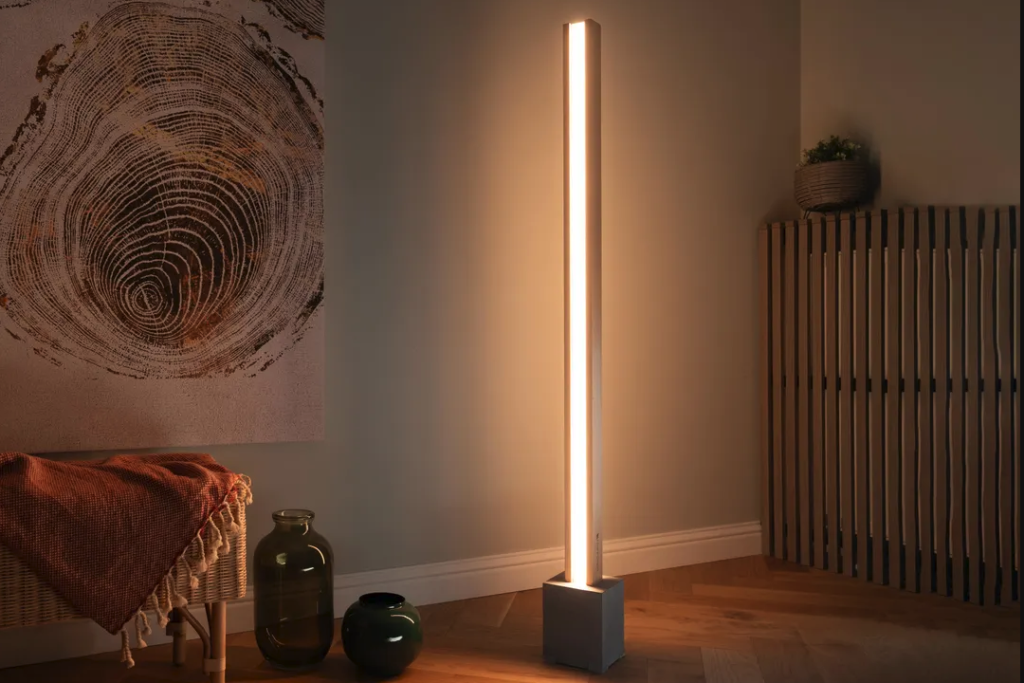
Minimalist Cement Base Floor Lamp: Exhibition Hall Highlight
So, you’re curious about what makes a minimalist cement base floor lamp a real standout in an exhibition hall? Simply put, it’s about the unique blend of raw, industrial aesthetics with understated elegance, creating a focal point that’s both grounding and artful, drawing attention without overwhelming the exhibits it’s meant to illuminate.
Cement, often associated with construction and utilitarian purposes, offers a surprising depth when thoughtfully integrated into design. Its inherent properties make it an ideal material for minimalist floor lamp Syesi bases, contributing significantly to that exhibition hall “wow” factor.
Grounding Presence and Visual Weight
Imagine walking into a bustling exhibition hall. Your eyes are darting from one piece to another. What often gets overlooked is the subtle, yet powerful, role of lighting fixtures in anchoring the space. A cement base offers unparalleled visual weight. It communicates stability and permanence, creating a sense of calm amidst the visual chatter. This isn’t about being heavy for the sake of it; it’s about a foundational presence that allows other elements to shine.
Tactile Allure and Material Honesty
There’s a raw honesty to cement that’s hard to ignore. It’s not trying to be something it’s not. This authenticity resonates with contemporary design sensibilities. The subtle imperfections, the natural variations in tone and texture – these aren’t flaws, but rather characteristics that tell a story. When touched, it offers a cool, slightly abrasive sensation that adds another layer to its appeal. In a world saturated with polished and fabricated surfaces, this tactile authenticity is a breath of fresh air.
A Neutral Canvas for Illumination
One of the greatest strengths of a cement base is its neutrality. It doesn’t compete with the art or exhibits it’s meant to illuminate. Instead, it provides a stable, unobtrusive foundation. Its muted color palette – typically shades of grey – acts as a versatile backdrop, allowing the light itself to take center stage. This is crucial in exhibition settings where the focus needs to remain squarely on the displayed items.
The Art of Minimalist Design: Less is Indeed More
Minimalism, at its core, is about stripping away the superfluous to reveal the essential. When applied to a floor lamp, particularly one intended for an exhibition hall, this philosophy becomes incredibly powerful.
Uncluttered Silhouettes and Clean Lines
A minimalist cement base floor lamp is characterized by its simplicity. You won’t find ornate details or unnecessarily complex structures. Instead, you’ll see clean, uninterrupted lines and fundamental geometric shapes. This deliberate absence of embellishment is not a lack of design; it’s a commitment to clarity. The fewer distractions there are in the form, the more impactful the lamp’s presence becomes.
Focus on Function and Purpose
In a minimalist design, every element serves a purpose. There’s no decorative flourish for the sake of it. The base is sturdy to provide stability, the stem is slim to elevate the light source, and the shade directs the illumination. This functional purity is not just aesthetic; it’s also incredibly practical. It means the lamp performs its primary duty – lighting – with maximum efficiency and minimum fuss.
Creating Visual Breathing Room
Exhibition halls can quickly become visually dense. Minimalist lighting acts as an antidote to this. By keeping the fixtures streamlined and understated, they create visual breathing room within the space. This allows visitors to fully absorb the exhibits without their attention being constantly pulled away by overly decorative or complicated lighting. It’s about enhancing the overall atmosphere, not becoming the main event itself.
Strategic Placement: Making an Impact in Exhibition Settings
The effectiveness of any lighting fixture, especially one designed to be a highlight, hinges significantly on its placement. In an exhibition hall, this becomes an art form.
Defining Zones and Guiding Flow
Floor lamps, particularly those with a strong visual presence like a cement base, can subtly define different zones within a larger open space. Imagine using a series of these lamps to delineate a particular artist’s collection or a thematic section. Their vertical elements naturally create boundaries without the need for physical partitions, helping to guide the flow of visitors through the exhibition without feeling overly restrictive.
Highlighting Specific Exhibits with Directed Light
While the base provides the grounding, the light source does the heavy lifting of illumination. Many minimalist floor lamps are designed with adjustable heads or diffusers, allowing for precise light direction. This is invaluable in an exhibition setting where specific artworks, sculptures, or display cases need focused attention. The lamp itself might be understated, but its ability to throw a precise beam dramatically enhances the exhibit it’s pointed at.
Complementary vs. Competing Illumination
It’s crucial that the floor lamp complements, rather than competes with, other light sources in the hall. Often, exhibition lighting involves a complex layering of overhead general lighting, spotlights, and sometimes even integrated display case lighting. A minimalist cement base floor lamp should add to this tapestry, providing a unique atmospheric layer without clashing or creating confusing overlapping light patterns. Its role is often to add a touch of warmth or a specific highlight that general lighting can’t achieve.
The Practicalities: Beyond Aesthetics
While aesthetics play a huge role in calling something an “exhibition highlight,” practical considerations are equally important, especially in high-traffic commercial spaces.
Durability and Longevity
Cement, by its very nature, is incredibly durable. This is a tremendous asset in an exhibition hall where furniture and fixtures are subject to constant public interaction, accidental bumps, and frequent movement for reconfigurations. A cement base is resistant to dents, scratches, and general wear and tear in a way that many other materials aren’t. This translates to a longer lifespan for the lamp and less need for frequent replacements or repairs, a significant cost-saving in the long run.
Stability and Safety
A heavy base isn’t just about visual weight; it’s also about physical stability. In an environment with many people moving around, a stable lamp is a safe lamp. A substantial cement base significantly reduces the risk of accidental tipping, which could damage the lamp itself, injure a visitor, or harm nearby exhibits. This robust foundation offers peace of mind for exhibition organizers.
Maintenance and Cleaning
Another practical advantage of cement is its relatively low maintenance. Unlike some more delicate materials, a cement base typically only requires occasional wiping down to remove dust or smudges. It’s not prone to staining in the same way as fabric or even some metals, and it doesn’t require special polishes or treatments. This ease of cleaning is a bonus in busy public spaces where staff time is valuable.
The Atmosphere Architect: How Lighting Shapes Experience
Beyond its direct function, lighting is a powerful tool for shaping the overall atmosphere and visitor experience in an exhibition hall. A minimalist cement base floor lamp is uniquely positioned to contribute to this.
Creating Focal Points and Narrative Flow
By strategically placing these lamps, exhibition designers can create visual punctuation points throughout the hall. Each lamp can act as a mini-landmark, drawing visitors towards a specific area or exhibit. This contributes to a narrative flow, guiding the eye and encouraging exploration, making the visitor’s journey through the exhibition more intentional and engaging.
Evoking Specific Moods and Emotions
The quality of light emitted by the lamp, combined with its stoic base, can significantly influence the mood of an area. A warm, diffused glow can create an intimate and reflective atmosphere, perfect for showcasing delicate pieces or historical artifacts. A cooler, more directed light might be better suited for highlighting contemporary art or technological displays. The minimalist form ensures that the mood is set subtly, without the lamp itself becoming an overwhelming decorative element.
Enhancing Spatial Perception
The vertical element of a floor lamp, especially one with a strong and grounded base, can impact how visitors perceive the height and volume of a space. In a vast hall, a series of these lamps can break up the monotony, giving scale and intimacy to certain areas. Conversely, in a smaller space, their uncluttered profile helps maintain an open feel, preventing the area from feeling cramped. It’s about designing with light and form to create a more dynamic and engaging spatial experience for the visitor.
In conclusion, the minimalist cement base floor lamp isn’t just a lighting fixture; it’s a carefully considered design element. Its silent strength, material honesty, and functional elegance make it a surprisingly powerful tool for enhancing aesthetic appeal, guiding visitor flow, and creating impactful experiences within the dynamic environment of an exhibition hall. It’s a statement of sophistication achieved through simplicity.