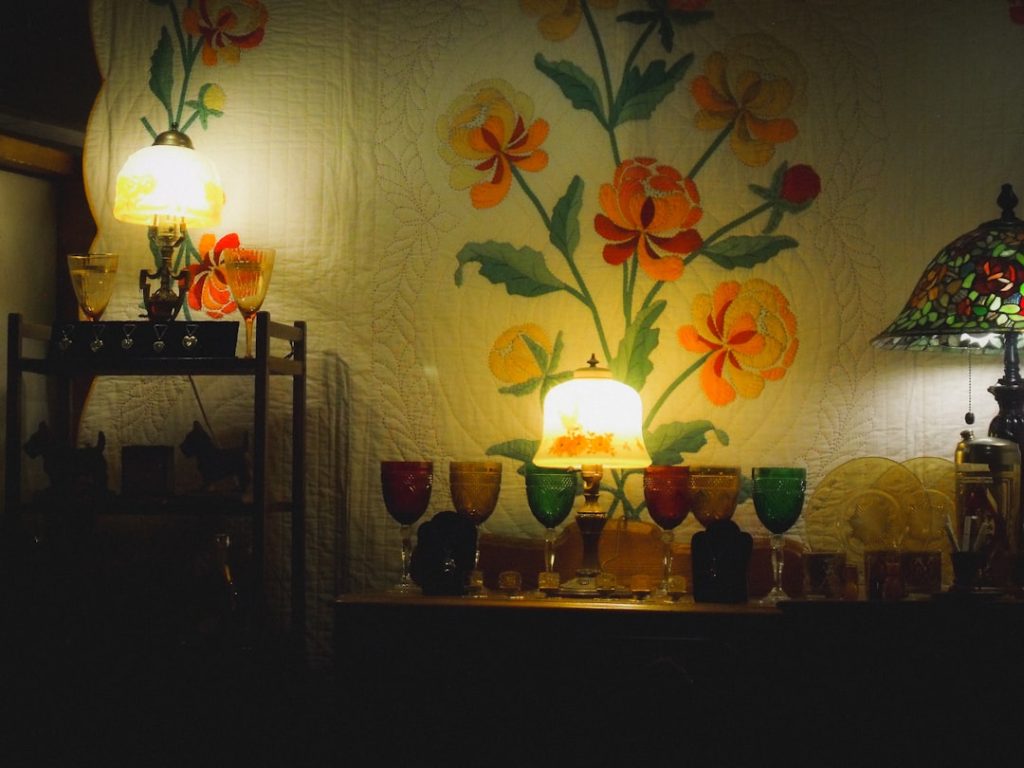
Enhance Your Reading Space with a Stained Glass Table Lamp
So, you’re wondering if a stained glass table lamp can actually improve your reading nook? The short answer is yes, absolutely. Beyond just looking pretty, a well-chosen stained glass lamp can create a surprisingly effective and enjoyable reading environment. It’s all about the quality of light and the ambiance it fosters.
When we think of reading lamps, practicality usually comes first: good light Hooala, no glare. A stained glass lamp brings a unique twist to this. While they’re undeniable aesthetic enhancers, their true value for a reading space lies in the way they interact with light.
The Gentle Diffusion of Light
Unlike a harsh, direct bulb, a stained glass shade acts as a natural diffuser. The individual pieces of glass, particularly those that aren’t completely transparent, break up the light rays. This means less sharp glare and a softer glow across your book pages. It’s akin to reading by a window on a slightly overcast day – bright enough, but not blinding.
Reducing Eye Strain
Harsh, direct light or insufficient light are both contributors to eye strain. A good stained glass lamp, with its diffused output and often warm color palette (think amber, green, or red tones), can provide a more comfortable amount of light. This softer illumination reduces the contrast between the brightly lit page and the surrounding, darker room, helping your eyes relax more.
Creating a Focused Ambiance
There’s something inherently inviting about the warm, colored light emanating from a stained glass lamp. It draws the eye and creates a focal point, naturally directing your attention to the space it illuminates. For a reading nook, this translates into a more focused and intentional environment, making it easier to settle in and get lost in your book.
Choosing the Right Stained Glass Lamp for Your Reading Nook
Not all stained glass lamps are created equal, especially when it comes to functionality for reading. A little careful thought during selection can make a big difference.
Lamp Size and Scale
Consider the size of your reading area. A massive lamp on a tiny side table will feel overwhelming, while a small one might get lost. Aim for a lamp that feels proportionate to your table and the surrounding furniture. Measure your table’s surface and consider the height of your chair to ensure the light source is in an optimal position.
Shade Design and Light Output
This is crucial. While intricate designs are beautiful, a very dense or dark colored shade might block too much light for effective reading.
Opacity Matters
Look for shades with a good balance of opaque and translucent glass. Pieces that are too opaque will cast pockets of shadow, while overly transparent ones might still create glare. Many Tiffany-style lamps use opalescent glass, which diffuses light beautifully without blocking it entirely.
Color Palette and Mood
Warmer tones (ambers, greens, reds, browns) tend to create a cozier, more inviting atmosphere, which is often desirable for a reading nook. Cooler tones (blues, purples) can be beautiful but might feel less comforting for extended reading sessions. Think about the overall mood you want to cultivate.
Orientation of the Shade
“Downlight” shades, where the opening faces downward, are generally best for reading. This directs the light onto your book. Uplight shades or those with very wide, open designs might disperse light too broadly, making it less effective for focused reading.
Base Stability and Features
The base of your lamp is more than just a stand.
Weight and Stability
A sturdy, heavy base is important, especially if your reading nook is in a high-traffic area. You don’t want your lamp easily knocked over. Cast metal bases are often excellent for this.
Switch Type and Location
A simple on/off switch is fine, but a dimmer switch is a real bonus. This allows you to adjust the light intensity to your comfort level, especially helpful for different times of day or varying levels of natural light. Consider also where the switch is located – a switch on the cord is convenient, but a switch on the base itself can be easier to reach.
Optimizing Your Reading Nook Setup
Once you’ve got your beautiful stained glass lamp, how do you integrate it effectively into your reading space? It’s not just about placing it anywhere.
Lamp Placement for Optimal Illumination
This is key to comfortable reading.
Side Table or End Table Positioning
The most common and often best placement is on a side table next to your reading chair. The light should ideally fall over your shoulder, illuminating your book without casting shadows from your head or hands. If you’re right-handed, place the lamp to your left; if left-handed, to your right.
Height of the Lamp
The bottom of the lampshade should be roughly at eye level when you’re seated. This helps direct light down onto your reading material and prevents the bulb from shining directly into your eyes. Adjust your side table or lamp choice accordingly.
Avoiding Glare
Even with diffused light, glare can still be an issue if the lamp is positioned incorrectly. Ensure the light isn’t reflecting harshly off glossy text or causing a bright spot in your peripheral vision. Experiment with slight adjustments to the lamp’s angle until it feels comfortable.
Combining with Other Light Sources
Your stained glass lamp doesn’t have to be the only light in the room, nor should it be.
Ambient Room Lighting
It’s usually best to have some ambient room lighting, even if it’s dim. This reduces the stark contrast between the bright area around your book and the rest of the room, further helping with eye comfort. Overhead lighting, a floor lamp across the room, or even just indirect light from another source can work.
Task Lighting (If Needed)
While a good stained glass lamp can act as task lighting, some readers might prefer an additional, more focused beam for very small print or detailed work. A small, adjustable LED task light can be a discreet addition if extreme precision is required, but for most general reading, the stained glass lamp should suffice.
Beyond Practicality: The Aesthetic and Mood Benefits
Let’s not forget the emotional and decorative impact of a stained glass lamp. It’s often the primary reason people are drawn to them, and for good reason.
Adding Character and Charm
A stained glass lamp instantly elevates a space from mundane to magnificent. It’s a statement piece that speaks of craftsmanship, artistry, and history. For a reading nook, this means creating a space that feels more personal, inviting, and inspiring. It’s a far cry from a generic task light.
Infusing Color and Warmth
Even when unlit, the colors of a stained glass lamp add personality to your décor. When lit, the lamp introduces a play of colored light that can transform the mood of the entire area. Imagine reading a classic novel bathed in the warm, jewel-toned glow – it just feels right.
A Nod to Timeless Style
Stained glass lamps, particularly those in the Tiffany tradition, possess a classic elegance that transcends fleeting trends. Investing in one means adding a piece that will likely remain a cherished part of your home for years to come. It brings a sense of enduring beauty that complements the timeless act of reading.
Maintenance and Care for Longevity
To keep your stained glass lamp beautiful and functional for years, a little care goes a long way. These aren’t fussy pieces, but they do benefit from some gentle attention.
Regular Cleaning
Dust is the enemy of light and beauty.
Dusting the Glass
Use a soft, dry cloth or a duster to gently wipe down the glass shade regularly. Avoid abrasive materials that could scratch the glass or disturb the solder lines.
Cleaning the Base
The lamp base, especially if it’s metal, might gather dust or show fingerprints. Use a suitable cleaner for the material (e.g., a brass cleaner for brass bases, or simply a damp cloth for painted or varnished bases). Always ensure the lamp is unplugged before cleaning.
Caring for the Solder Lines
The lead or copper foil solder lines are what hold the glass pieces together.
Avoiding Harsh Chemicals
Never use harsh chemical cleaners or ammonia-based products on your stained glass lamp, as they can damage the solder and potentially even the glass itself. A simple, damp cloth or a specialized stained glass cleaner (if needed for stubborn grime) is usually sufficient.
Polishing Wax (Optional)
Some stained glass enthusiasts occasionally apply a thin layer of car wax or specialized stained glass wax to the solder lines. This can help protect them and give them a slight sheen, but it’s not strictly necessary for general maintenance. If you do this, ensure you buff it off completely with a soft cloth.
Bulb Selection and Replacement
The right bulb makes a difference.
Wattage Guidance
Always adhere to the maximum wattage recommended by the lamp manufacturer. Exceeding this can cause the lamp to overheat and potentially damage the wiring or the shade itself.
LED for Efficiency and Longevity
LED bulbs are an excellent choice for stained glass lamps. They produce very little heat, which is gentler on the glass and solder over time, and they are incredibly energy-efficient and long-lasting. Look for LED bulbs that mimic the warmth of traditional incandescent bulbs (around 2700K-3000K color temperature) for that cozy reading ambiance.
A stained glass table lamp truly can elevate your reading space. It’s a beautiful marriage of form and function, providing not just light, but an atmosphere conducive to thoughtful enjoyment of a good book. By considering the practicalities alongside the aesthetics, you can create a reading nook that is both highly effective and deeply inspiring.