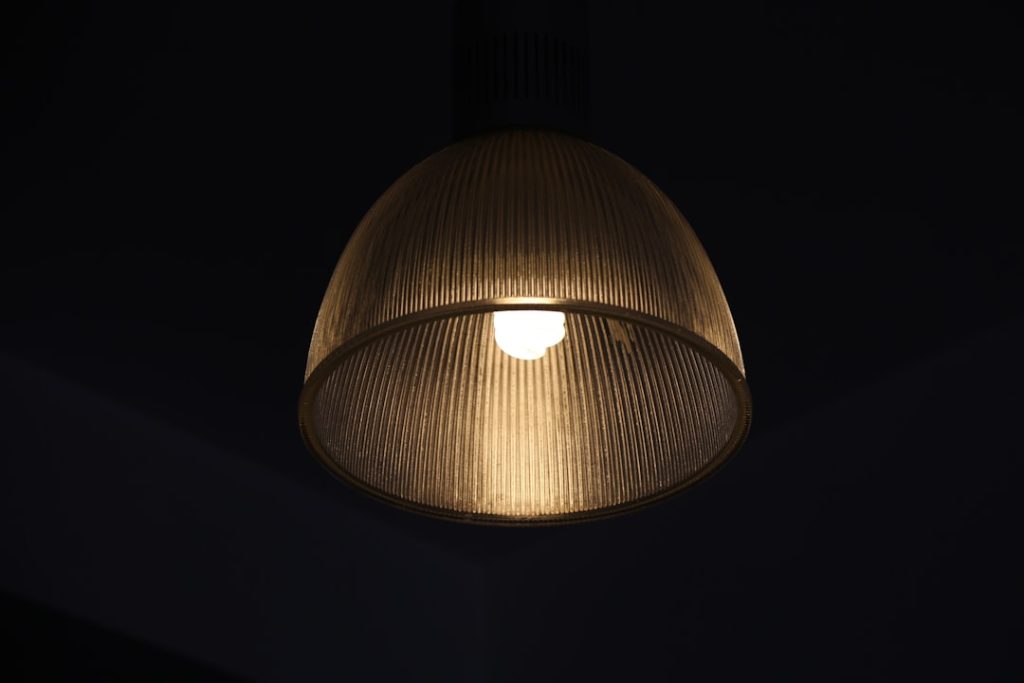
Resin Sculptural Lamp: Artistic Lighting for Designer Studios
So, you’re wondering if a resin sculptural lamp can actually be a good fit for a designer studio? The short answer is yes, it absolutely can. Beyond just providing light, these pieces can inject a unique artistic touch, boost functionality, and even serve as a focal point that resonates with your creative spirit. It’s not just about illumination; it’s about enhancing the atmosphere and the very essence of your workspace.
When you hear “resin,” you might think of hobby crafts or temporary fixes. But in the realm of artistic lighting, resin is a versatile powerhouse, offering a spectrum of possibilities that plastic or glass simply can’t match. Its adaptability is its greatest strength, allowing artists to craft truly original forms.
Molding Form and Function
The primary advantage of resin in lamp design is its moldability. Unlike traditional materials that might crack or break under complex shaping, resin can be poured, cast, and manipulated into almost any imaginable form.
Freeform Sculptures and Organic Shapes
Many designers are drawn to resin for its ability to mimic organic, flowing lines. Think of smooth, undulating surfaces, complex curves that challenge gravity, or even abstract shapes that evoke natural elements. This allows for lamps that are not just functional objects but also standalone pieces of art. Artists can embed objects, create intricate textures, or achieve translucent effects that play with light in fascinating ways. This freedom in form means the lamp becomes an extension of the studio’s aesthetic, not just an addition to it.
Geometric Precision and Sharp Edges
On the other hand, resin also excels at creating sharp, precise geometric forms. Cast resin can achieve clean lines, defined angles, and perfectly flat surfaces. This is ideal for designers who prefer a more minimalist or modern aesthetic, where a lamp needs to complement, rather than dominate, the space. The material’s ability to hold intricate details also means that even the most complex geometric patterns can be reproduced with accuracy.
Translucency and Light Diffusion
Resin’s inherent translucency is a game-changer for lighting. It can be pigmented, layered, or treated to achieve a range of effects that significantly influence the quality of light emitted.
Soft, Ambient Glow
Many resin lamps are designed with translucency in mind, allowing light to diffuse gently. This creates a soft, ambient glow that reduces harsh shadows and eye strain – a crucial benefit in any studio where long hours of detailed work are common. The light can feel warmer and more inviting, fostering a relaxed yet focused atmosphere.
Colored Light and Mood Setting
The ability to pigment resin opens up a world of color possibilities. Lamps can cast soft washes of blues, greens, or warmer amber tones, subtly influencing the mood and energy of the studio. This isn’t about garish neon; it’s about nuanced color that complements chosen palettes or sparks creative ideas. A strategically placed colored light can transform a corner into a contemplative space or energize a workbench.
Layering and Depth Effects
Skilled artists can layer different colored or opacified resins to create interior depth and visual interest within the lamp itself. This can result in lamps that appear to have internal landscapes, swirling patterns, or a sense of captured light. When illuminated, these internal details become dynamic, adding a layer of complexity to the space.
Durability and Maintenance
When properly formulated and cured, resin is surprisingly durable. It’s resistant to many common chemicals and can withstand a reasonable amount of wear and tear, making it a practical choice for a working studio environment.
Scratch and Impact Resistance
While not indestructible, good quality resin can be quite resistant to scratches and minor impacts. This is a practical consideration for a studio where tools, materials, and the occasional accidental bump are part of daily life. This resilience means your artistic lighting investment is more likely to maintain its pristine appearance over time.
Ease of Cleaning
Most resin surfaces are non-porous and can be easily wiped down with a damp cloth. This makes maintenance straightforward, preventing dust and debris from accumulating and dimming the light. For a studio, where dust can be a constant battle, this simplicity is a welcome relief.
Integrating Sculptural Lamps into Studio Design
A sculptural resin lamp isn’t just about picking a light fixture off a shelf; it’s about intentional integration. It’s about how it fits within the existing design language of your studio and how it contributes to the overall creative process.
Creating a Focal Point
In a studio filled with creative output, a well-chosen sculptural lamp can act as a powerful anchor, drawing the eye and establishing a distinct mood or aesthetic.
Architectural Form and Statement Pieces
Some resin lamps are designed with a strong architectural presence. They might mimic natural formations, abstract sculptures, or even elements of brutalist design. Placing one of these in a strategic location can elevate the entire studio, making it a conversation starter and a reflection of the designer’s personal taste and artistic philosophy. It acts as a piece of furniture and art combined.
Complementing Existing Decor
Even if you don’t want the lamp to be the absolute center of attention, it can be chosen to complement your existing decor. A lamp with flowing, organic lines might soften a room with strong geometric furniture, while a sharp, minimalist design can add an edge to a more eclectic space. The key is finding a balance that enhances, rather than detracts from, the studio’s established feel.
Enhancing Workspace Functionality
Beyond aesthetics, sculptural lamps can bring practical benefits to your studio, improving both the quality of light and the overall user experience.
Task Lighting with Artistic Flair
While many sculptural lamps lean towards ambient lighting, some are designed to provide focused task lighting. These might have adjustable elements, or the sculpture itself might be shaped to direct light precisely where it’s needed. Imagine a piece that looks like a flowing branch, with the “leaves” or “buds” acting as discreet light sources over your drawing board or workbench.
Mood Lighting for Creative Flow
The ability of resin to diffuse light beautifully means it’s perfect for setting a creative mood. A warm, soft glow can be ideal for brainstorming sessions, while a cooler, more neutral light might be better for detailed work. The sculptural element adds an extra dimension, making the act of lighting a more engaging and inspiring experience.
Materiality and Tactile Qualities
The material itself, resin, offers a unique tactile experience that can contribute to the overall ambiance of a studio.
Smooth Surfaces and Interesting Textures
Resin can be finished in a variety of ways, from a high-gloss polish to a matte, textured surface. Running your hand over a smooth, cool resin sculpture can be a grounding experience, offering a moment of sensory engagement. The ability to create intricate textures adds another layer of tactile interest, which can be surprisingly appealing in a creative space.
Visual Depth and Internal Details
Some resin lamps have layers of material that create visual depth. These aren’t just solid blocks; they have internal cavities, suspended elements, or marbled effects that become apparent when illuminated. This adds a dynamic quality to the lamp, making it more engaging and less static – a welcome characteristic in a space dedicated to creation.
Types of Resin Sculptural Lamps to Consider
The term “resin sculptural lamp” is broad, encompassing a diverse range of forms and styles. Understanding the common categories can help you narrow down your search.
Abstract and Organic Forms
These lamps often defy traditional lighting conventions, prioritizing artistic expression over recognizable shapes.
Fluid and Amorphous Designs
Think of pieces that seem to have dripped, molded, or flowed into existence. These often feature rounded edges, sweeping curves, and a sense of movement. They can evoke natural elements like water droplets, molten lava, or swirling clouds, bringing a dynamic, organic feel to the studio. The light emitted often complements these soft, undulating forms.
Geometric Abstractions
While many abstract designs are fluid, others embrace geometric forms in an abstract way. This could involve intersecting planes, fragmented shapes, or unusual combinations of angles and curves that don’t necessarily form a recognizable object but create an intriguing visual puzzle. These lamps can offer a more intellectual and visually stimulating experience.
Figurative and Representational Designs
While less common in strictly “sculptural” lighting, some resin lamps incorporate recognizable elements or figures in an artistic, often stylized, manner.
Stylized Natural Elements
These might be lamps that resemble abstract trees, delicate flowers, or even simplified animal forms. The key is that they are interpretations rather than literal representations, with the resin’s properties used to enhance their artistic impact. A stylized leaf might be designed to hold a light source, for example.
Character-Based or Thematic Lamps
Less common for a professional studio, but some designers might opt for lamps that subtly hint at a character or theme relevant to their work. This could be a minimalist rendition of a mythological figure or a lamp that evokes a sense of history or place through its form. The execution here is critical to avoid appearing kitschy.
Practical Considerations within Sculptural Forms
Even the most artistic lamps need to be practical for studio use.
Size and Scale
The scale of a sculptural lamp is crucial. A small, intricate piece might be perfect for a side table, while a larger floor lamp can command a corner of the room. Consider the proportion of the lamp relative to your existing furniture and the overall size of your studio. A lamp that’s too imposing can overwhelm the space, while one that’s too small might get lost.
Light Source and Intensity
While the sculpture is paramount, the type of light source (LED, halogen, etc.) and its intensity (lumens) are also important. Ensure the lamp provides adequate light for your tasks, whether it’s a soft ambient glow or focused task lighting. Some sculptural designs might be limited in their light output due to the form itself.
Sourcing and Acquiring Resin Sculptural Lamps
Finding the right resin sculptural lamp for your studio involves exploring various avenues, each with its own advantages and considerations.
Galleries and Art Fairs
For truly unique and high-quality pieces, art galleries and specialized craft fairs are excellent starting points.
Discovering Emerging Artists
These venues often showcase the work of individual artists and smaller studios, giving you access to pieces that are truly original. You can often speak directly with the creator, gaining insight into their process and inspiration. This is a great way to find a lamp with a compelling story behind it.
Understanding the Craftsmanship
Seeing pieces in person allows you to appreciate the quality of the resin casting, the finishing, and the overall craftsmanship. You can assess the weight, texture, and how the light interacts with the material in a way that online photos can’t convey. This is where you’ll find true artisanal quality.
Online Marketplaces and Designer Websites
A vast array of options are available online, from independent artists on platforms like Etsy to curated design stores.
Exploring a Wide Range of Styles
Online platforms offer an incredible diversity of styles, price points, and artistic approaches. You can easily filter by shape, color, and even specific artists. This is the most accessible way to begin your search and get a feel for what’s out there.
Reading Reviews and Artist Bios
When buying online, pay close attention to customer reviews, artist biographies, and product descriptions. This can give you a better sense of the quality, durability, and the artist’s background. Look for artists who detail their materials and techniques.
Custom Commissions
For a truly bespoke solution, commissioning a custom lamp offers unparalleled personalization.
Tailoring to Your Studio’s Needs
Working with an artist on a custom piece means you can specify dimensions, colors, forms, and even functional requirements. This ensures the lamp perfectly fits your studio’s aesthetic and practical needs. You can collaborate on a design that resonates deeply with your creative identity.
Investing in a Unique Masterpiece
A custom commission is an investment in a one-of-a-kind art piece. It’s an opportunity to own something that is not only a functional object but also a profound expression of your personal or studio brand. This often results in a lamp that holds significant personal value.
Lighting Considerations for Resin Sculptural Lamps in a Studio
The most beautiful sculptural lamp is only as good as the light it provides. Understanding the nuances of lighting within a studio context is key to getting the most out of your resin piece.
Luminescence and Color Temperature
The type of bulb and its color temperature greatly impact the mood and usability of the light.
Warm vs. Cool Light
For a studio, a balance is often ideal. Warm light (around 2700K-3000K) is generally more inviting and can foster a relaxed atmosphere, wonderful for brainstorming or winding down. Cooler light (around 4000K-5000K) is more energizing and better for detailed tasks where color accuracy is important. Many resin lamps are designed to emit a softer, warmer glow naturally due to the material.
CRI (Color Rendering Index)
The CRI tells you how accurately the light source reveals the true colors of objects. For a designer’s studio, a high CRI (ideally 90+) is essential. This ensures that colors you are working with – paints, fabrics, digital displays – appear as they truly are, preventing costly misinterpretations. This is a functional aspect of the light that shouldn’t be overlooked.
Bulb Type and Integration
The type of light source used within the lamp is a practical consideration.
LED Advantages
LED bulbs are often the go-to choice for modern lamps. They are energy-efficient, long-lasting, and produce very little heat. This last point is particularly important for resin lamps, as excessive heat can potentially damage or warp some types of resin over time. Many sculptural resin lamps are designed with integrated LED systems for a seamless look.
Dimmer Compatibility
The ability to adjust the light intensity can be incredibly useful in a studio. A dimmer allows you to tailor the lighting to different tasks and moods throughout the day. Check if the lamp is designed for dimmer use, and ensure you use compatible dimmer switches and bulbs. This flexibility transforms the lamp from a single-purpose item to a versatile tool.
Light Directionality and Shadow Play
The form of the sculptural lamp itself will dictate how light is cast and what kind of shadows it creates.
Diffused vs. Focused Light
Some resin lamps are designed to scatter light in all directions, creating a soft, ambient glow that fills the room. Others might have more directed elements, casting specific pools of light onto surfaces. Consider what kind of illumination most benefits your studio activities. If you need to illuminate a larger area, a more diffused light is beneficial. If you need to highlight specific details, a more focused light is required.
Artistic Shadow Patterns
The interplay of light and shadow created by a sculptural lamp can be an artistic element in itself. The unique shapes of the resin can cast intricate patterns on walls and surfaces, adding visual interest and depth to the studio. This can be a deliberate design feature that contributes to the overall atmosphere.
Maintenance and Care for Resin Sculptural Lamps
Ensuring your resin sculptural lamp remains a beautiful and functional part of your studio for years to come requires a little attention to its care.
Routine Cleaning
Regular, gentle cleaning will prevent dust and grime from dulling the finish.
Dusting
For daily or weekly maintenance, a soft, dry microfiber cloth is usually sufficient to dust the surface of the lamp. Avoid abrasive cloths or paper towels, as they can scratch the finish.
Light Cleaning
If there are minor marks or smudges, slightly dampen the microfiber cloth with water. For tougher grime, a very mild soap solution can be used, but ensure you wipe it off thoroughly with a clean, damp cloth afterwards to remove any residue. Always ensure the lamp is cool and unplugged before cleaning.
Avoiding Harsh Chemicals and Abrasives
Resin can be sensitive to certain substances that can damage its finish or even affect the material itself.
What to Avoid
Never use harsh cleaning chemicals, solvents, window cleaner, or abrasive powders on your resin lamp. These can leach into the material, cause discoloration, a dulling of the finish, or permanent damage.
Protecting the Finish
If the lamp has a glossy finish, avoid placing it in direct sunlight for extended periods, as UV rays can cause yellowing or degradation over time. Similarly, avoid placing hot or damp items directly on the surface, as this can leave marks.
Protecting Against Heat and Impact
While resin is generally robust, it’s not impervious to extreme conditions.
Heat Management
As previously mentioned, while LEDs produce minimal heat, it’s still a good practice to ensure adequate ventilation around the lamp. If using other bulb types, be mindful of their heat output and ensure they are appropriately rated for enclosed fixtures if applicable.
Accidental Damage
While resin is more resilient than glass, it can still chip or crack if subjected to a significant impact. While it’s a sculpture, it’s also a lamp, so place it in areas where it’s less likely to be knocked over or hit by heavy objects. If the lamp is on a low table, consider its placement to avoid direct traffic flow.
By understanding the material’s properties, how to integrate it artistically and functionally, and how to care for it, a resin sculptural lamp can be a truly transformative addition to any designer studio. It’s an investment in both form and light that speaks to the creative spirit.

