How to Choose the Right Emergency Light for Your Needs
Choosing the right emergency light doesn’t have to be a guessing game. The “right” light really boils down to your specific situation and what you need it to do when the power goes out. We’re talking about everything from keeping a hallway dimly lit to performing essential tasks in a workshop. It’s not just about brightness, but about how long it lasts, how it powers up, and even how you store it. Let’s break down the practical aspects to help you make an informed choice without overspending or underserving your needs.
Understanding Your Core Needs
Before you even start looking at features, take a moment to consider why you need an emergency light. Is it for occasional power flickers, or are you in an area prone to extended outages? Do you need it for general illumination, or for specific tasks like navigating stairs or finding medical supplies? Your answers here will guide every subsequent decision.
Home vs. Commercial/Industrial Use
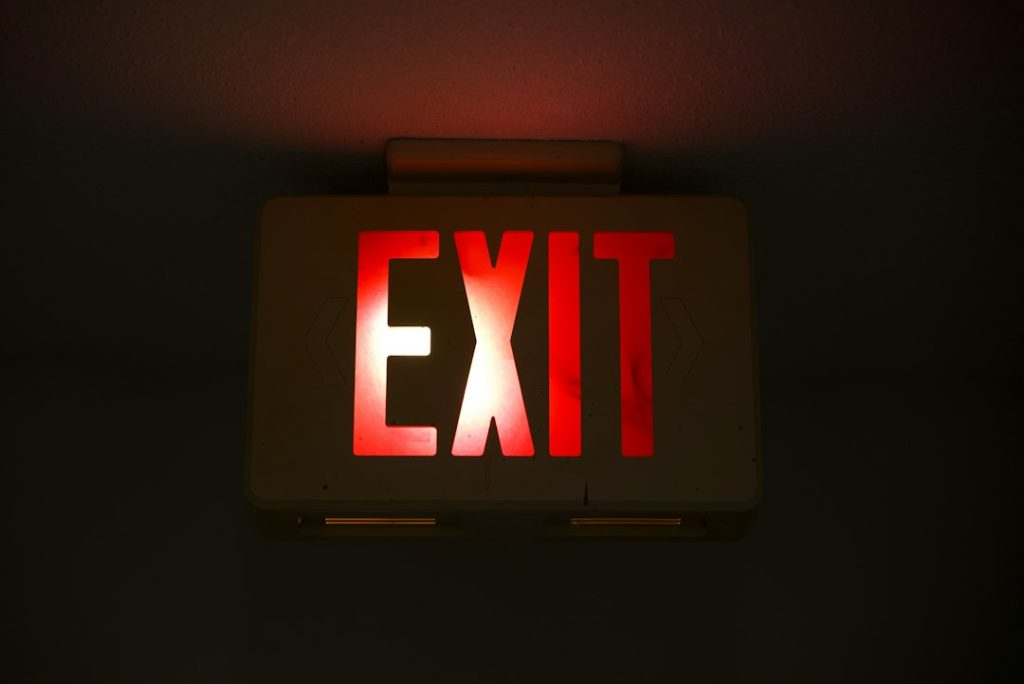
The requirements for a residential emergency light are vastly different from those for a commercial building or industrial facility. For homes, the focus is often on convenience, ease of use, and sufficient light for everyday activities during an outage. This might mean smaller, portable units or those that automatically turn on. In commercial settings, however, building codes, safety regulations, and the need to illuminate larger areas for evacuation become paramount. Here, you’ll typically see hardwired systems with central battery backups or dedicated exit signs. Industrial environments might demand ruggedized, intrinsically safe lights for hazardous locations. Don’t confuse these categories; a cheap home light won’t cut it in a factory, and an expensive commercial unit might be overkill for your living room.
Duration of Outages
How long do your power outages typically last? A brief flicker that resolves in minutes might only require a light that lasts an hour or two. However, if you live in an area prone to severe weather or grid instability, where outages can stretch for several hours or even days, you’ll need a light with a significantly longer run time. This directly impacts battery capacity and, consequently, the size and cost of the unit. Don’t underestimate this factor; running out of light halfway through an evening outage is a miserable experience.
Required Illumination Level
Consider the purpose of the light. Do you need ambient light to prevent stumbling in the dark? Or do you need enough illumination to read, cook, or perform minor repairs? Lumens are the measure of brightness, and more lumens generally mean more battery drain. A hallway might only need 50-100 lumens, while a kitchen or living area could benefit from 200-500 lumens for practical use. Task-specific lights, like a headlamp for working on a fuse box, will focus their light more intensely. Balance brightness with desired run time.
Power Sources and Battery Types
The heart of any emergency light is its power source. This dictates how it charges, how long it runs, and its overall reliability.
Rechargeable Battery Lights
These are by far the most common type for general emergency use. They typically plug into a wall outlet and continuously charge, automatically switching on when the power fails.
Sealed Lead-Acid (SLA) Batteries
SLA batteries are found in many traditional emergency lights, especially larger, wall-mounted units. They are reliable, relatively inexpensive, and offer good capacity. However, they are heavy, bulky, and can suffer from memory effect if not properly maintained (though less so than older NiCd batteries). They also have a finite number of charge cycles and generally need to be replaced every 3-5 years. They are best for fixed installations where weight and size aren’t major concerns.
Lithium-Ion (Li-ion) Batteries
Li-ion batteries are popular in more modern, portable emergency lights and power banks. They are lighter, more compact, and offer a higher energy density, meaning more power in a smaller package. They don’t suffer from memory effect and have a longer shelf life between charges. The downsides are generally higher upfront cost and a slight risk of thermal runaway if damaged or poorly manufactured (though this is rare with reputable brands). They are ideal for portable units, lanterns, and smaller floodlights.
Nickel-Cadmium (NiCd) Batteries
While once common, NiCd batteries are becoming less prevalent due to their “memory effect” (they lose capacity if not fully discharged before recharging) and the toxicity of cadmium. If you have older emergency lights, they might use NiCd. Modern equivalents are generally superior.
Non-Rechargeable (Disposable Battery) Lights
These are your standard flashlights and lanterns that run on AA, AAA, C, or D batteries. They are excellent for portability and can be stored for extended periods without needing a plug.
Alkaline Batteries
Common and affordable, alkaline batteries are great for occasional use. They have a decent shelf life but can leak corrosive fluid if left in devices for too long, especially when depleted. Always remove them from lights that won’t be used for months.
Lithium Primary Batteries (e.g., Energizer Ultimate Lithium)
These are more expensive but offer superior performance. They have an incredibly long shelf life (10+ years), perform well in extreme temperatures, and are much lighter than alkaline batteries. They are the go-to choice for critical emergency gear that needs to be ready at a moment’s notice.
Solar-Powered Lights
Solar emergency lights can be a fantastic option, especially for outdoor use or if you want an off-grid solution. They charge during the day and can provide light at night. The main considerations are the size of the solar panel (which affects charging speed), the capacity of the internal battery, and whether they can also be charged via USB or AC power as a backup. They are less reliable in prolonged cloudy weather or if installed in a shaded area.
Hand-Crank/Dynamo Lights
These are great as a last-resort backup. A few minutes of cranking can provide enough light for short periods. They are ideal for emergency kits where you want to ensure you’ll always have some light, even if batteries fail or run out. The brightness and duration are usually limited, so they are best for supplemental light rather than primary illumination.
Key Features and Functionality
Beyond the power source, several features can significantly enhance the usability and effectiveness of an emergency light.
Automatic Activation
This is a crucial feature for many home emergency lights. When plugged into an outlet, these lights sense a power interruption and automatically switch on. This means you don’t have to fumble in the dark to find a light. Look for models with this capability if you want true “set it and forget it” readiness.
Run Time
As discussed earlier, run time is critical. Emergency lights will often list their run time at various brightness settings. A light that offers 8 hours on low but only 2 hours on high might be perfect for a long outage if you’re willing to conserve. Always check the specifications and consider your expected outage duration.
Brightness (Lumens)
Lumens quantify the total amount of visible light emitted. Don’t fall for “wattage equals brightness” – it doesn’t. A 10W LED light can be far brighter than a 100W incandescent bulb. Aim for at least 50-100 lumens for ambient light, 200-500 lumens for general room illumination, and 500+ lumens for focused task lighting or outdoor floodlighting.
Portability and Mounting Options
Do you need a light that can be moved from room to room, or one that stays in a fixed location?
Handheld Flashlights
Essential for directed light, navigating stairs, or inspecting areas. Look for comfortable grips, durable construction, and a strong beam.
Lanterns
Provide omnidirectional light, illuminating a wider area. Great for tabletop use, hanging in a room, or illuminating a tent.
Wall-Mounted Units
These are often hardwired or plug-in units designed to stay in place, providing illumination to a specific area like a hallway or staircase. Many automatically activate.
Headlamps
Free up your hands for tasks like cooking, changing a tire, or performing repairs. Indispensable for any situation where you need both light and dexterity.
Durability and Weather Resistance
If your emergency light might be used outdoors, in a garage, or in adverse conditions, look for features like:
Water Resistance (IP Rating)
An IP (Ingress Protection) rating indicates how well a device is protected against solids (like dust) and liquids. An IPX4 rating means it can withstand splashes, while IPX7 means it can be submerged for a short period. For general indoor use, an IP rating isn’t critical, but for outdoor or workshop use, it’s a must.
Impact Resistance
Measured by drop height, this indicates how well the light can withstand accidental falls. Important for portable units that might be dropped.
Additional Features
USB Charging Port
Some modern emergency lanterns or power banks include USB ports, allowing you to charge your phone or other small devices. This can be a lifesaver during extended outages.
Multiple Light Modes (High, Low, Strobe)
Different brightness settings help conserve battery life. A strobe mode can be useful for signaling in an emergency.
Dimming Capability
Fine-tuning the brightness helps extend run time and can prevent eye strain.
Motion Sensors
Some lights incorporate motion sensors, turning on only when someone enters a room, further conserving power.
Placement and Strategy
Having the right lights is only half the battle; knowing where to put them and how to use them effectively is equally important.
Strategic Placement in the Home
Don’t just buy a light and stick it in a drawer. Think about critical areas:
- Hallways and Staircases: These are prime locations for automatically activating wall-mounted lights or nightlights that kick on during an outage. They prevent falls.
- Bedrooms: A small, easily accessible flashlight or a compact lantern on a nightstand is essential.
- Kitchen: You’ll need decent illumination here for food preparation or finding supplies. A larger lantern or a task light is a good idea.
- Bathrooms: A small, reliable light is crucial for basic hygiene.
- Living Areas: A lantern that can illuminate a common area for family activities.
- Near Exits: Ensure a clear path to doors and windows.
- Circuit Breaker Box: Keep a dedicated flashlight nearby, perhaps magnetically attached, to safely reset breakers.
Building a Layered Lighting System
Instead of relying on a single type of light, aim for a layered approach:
- Ambient Light: Provided by lanterns or wall-mounted units, giving general illumination to prevent tripping.
- Task Light: Handheld flashlights or headlamps for specific activities like cooking, reading, or minor repairs.
- Backup/Redundancy: Ensure you have multiple lights of different types, and don’t rely solely on rechargeable units. Keep a stock of disposable battery flashlights and extra batteries. A hand-crank light is the ultimate backup.
Regular Maintenance and Testing
Emergency lights are only useful if they work when needed.
Rechargeable Units
- Keep Plugged In: For automatic-on models, ensure they stay plugged into a live outlet to remain fully charged.
- Monthly Discharge Test: Once a month, unplug the unit and let it run for about 30 minutes to exercise the battery. Then, plug it back in to fully recharge. This helps maintain battery health, especially for SLA and NiCd types.
- Battery Replacement: Be aware of the lifespan of your batteries (3-5 years for SLA, longer for Li-ion). Mark the purchase date and consider replacing them proactively.
Disposable Battery Units
- Check Batteries Annually: Test the lights and replace batteries if they are low or dead.
- Remove Batteries for Long-Term Storage: To prevent corrosive leaks, remove alkaline batteries from lights that won’t be used for several months. Store batteries separately and replace them with fresh ones when needed.
- Date Batteries: Write the purchase date on your batteries to track their age.
Solar Lights
- Clean Solar Panels: Dust and grime can reduce charging efficiency.
- Ensure Adequate Sunlight: Check that panels aren’t shaded by new growth or obstructions.
Common Mistakes to Avoid
A little foresight can save you a lot of frustration when the lights go out.
Relying on a Single Light Source
One flashlight isn’t enough for a household. If it breaks, runs out of battery, or gets misplaced, you’re back in the dark. Redundancy is key. Have multiple lights of different types in various locations.
Forgetting About Battery Life and Replacement
Batteries don’t last forever, even if unused. Storing a flashlight for years with old batteries is a recipe for disappointment. Check and replace batteries regularly, and keep spares.
Ignoring Your Specific Needs (Over- or Under-Buying)
Don’t buy a massive, expensive emergency floodlight if you only need a small lantern for occasional power blips. Conversely, don’t rely on a tiny keychain light if you need to illuminate a whole room for hours. Match the light to the task and expected duration.
Not Testing Your Equipment
An emergency light that hasn’t been tested is merely a decorative object. Follow the maintenance schedule above. If you don’t test it, you won’t know if it’s working until you critically need it, and that’s too late.
Storing Lights in Inaccessible Places
What good is an emergency light if you can’t find it in the dark? Keep them in predictable, easily reachable spots – nightstands, kitchen drawers, by the front door.
By thoughtfully considering your specific situation, understanding the different types of lights and power sources, and implementing a smart placement and maintenance strategy, you can confidently choose the right emergency lighting solution that will keep you safe and comfortable when the power goes out.