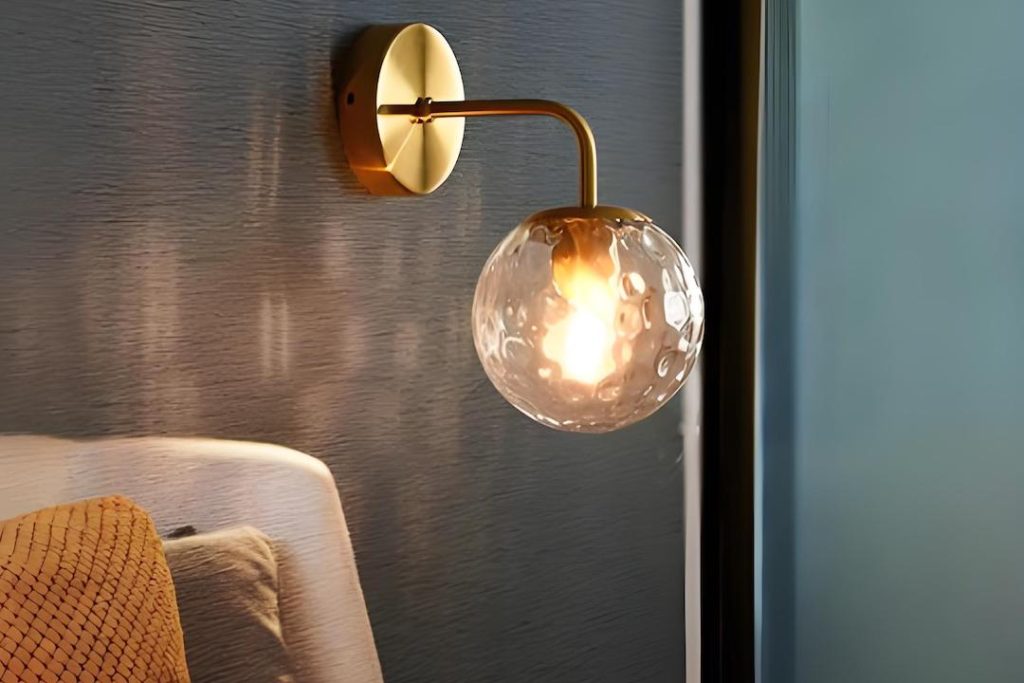
Elegant Glass Wall Lamps: Subtle Decorative Illumination
When considering the integration of lighting into your interior design, wall lamps, particularly those crafted from glass, offer a distinct blend of functionality and aesthetic appeal. These fixtures, often referred to as sconces, provide a layer of illumination that complements primary light sources, contributing to the overall ambiance of a room without dominating the visual space. Their design often prioritizes diffusing light, creating a softer, more distributed glow compared to direct, focused lighting.
The concept of attaching light sources Zifoto to walls is not new. Early forms of wall-mounted lighting can be traced back to antiquity, with torches and oil lamps held in rudimentary sconces providing illumination. As lighting technology advanced, so did the design and materials used for these fixtures.
From Candles to Electricity
In medieval Europe, wall sconces primarily held candles. These were often elaborate, made from wrought iron or carved wood, and positioned to maximize the flickering light. With the advent of gas lighting in the 19th century, sconces adapted, incorporating burners and simple glass globes to diffuse the harsher light. The late 19th and early 20th centuries saw a significant shift with the widespread adoption of electricity. This technological leap liberated lighting design, allowing for more intricate and varied forms. Glass, with its ability to be molded, colored, and textured, became a favored material for electric wall lamps, offering both decorative elements and efficient light diffusion.
Art Nouveau and Art Deco Influences
Periods like Art Nouveau and Art Deco significantly shaped the aesthetic of glass wall lamps. Art Nouveau emphasized organic forms, flowing lines, and often incorporated stained glass or etched glass depicting nature-inspired motifs. Art Deco, in contrast, favored geometric patterns, streamlined shapes, and luxurious materials, with frosted or opalescent glass commonly used to achieve a sophisticated, understated glow. These historical styles continue to inform contemporary designs, demonstrating the enduring appeal of glass as a medium for subtle illumination.
Design Principles and Materiality
The effectiveness of a glass wall lamp hinges on its design and the properties of the glass itself. Understanding these elements is crucial for selecting a fixture that harmonizes with your intended aesthetic and functional requirements.
Forms and Shapes
Glass wall lamps come in a diverse array of forms. You might encounter sleek, minimalist designs featuring a flat panel of etched glass, or more sculptural pieces that project from the wall, encasing the light source within a blown glass orb or a geometric cage. Common shapes include:
- Dome/Bowl: These forms project light upwards and outwards, often providing indirect illumination.
- Cylindrical/Tubular: Frequently used in modern designs, offering a clean, understated look.
- Rectangular/Square Panels: These can be flush-mounted or stand slightly proud of the wall, often featuring etched or textured surfaces.
- Organic/Sculptural: These designs are more decorative, embracing free-form shapes or inspired by natural elements.
The geometry of the lamp often dictates how the light is cast. A flat panel might create a broad wash of light against the wall, while a projecting dome could diffuse light more evenly into the room.
Types of Glass and Their Effects
The choice of glass profoundly impacts the quality of light and the overall appearance of the fixture.
- Frosted Glass: This is perhaps the most common type. Its surface has been treated to be opaque or semi-opaque, effectively diffusing harsh light and reducing glare. It creates a soft, even glow, akin to a gentle morning mist.
- Etched Glass: Similar to frosted glass, but the obscuring effect is achieved through chemical etching or sandblasting, often creating patterns or textures on the surface. This can add a decorative element even when the light is off.
- Opaline Glass: A milky, translucent glass with a slight opalescent sheen, often used in Art Deco and vintage fixtures. It diffuses light with a warm, soft quality.
- Stained Glass: Composed of multiple pieces of colored glass joined by metal lines. While less common for general illumination, stained glass wall lamps can create vibrant patterns of colored light.
- Clear Glass: Less common for the primary light-diffusing element, as it can expose the bulb directly, leading to glare. However, it can be used for secondary decorative components or to showcase a particularly attractive filament bulb.
- Crystal Glass: Typically leaded glass, known for its brilliance and ability to refract light, creating sparkling effects. While not always a primary diffuser, crystal elements can add a touch of luxury.
When selecting, consider the desired light quality. Do you need a broad, soft wash, or a more directional, yet still diffused, glow? The properties of the chosen glass will be the primary determinant.
Placement Strategies and Functional Considerations
The efficacy of a glass wall lamp is not solely determined by its intrinsic design, but also by its strategic placement within a room. Thoughtful positioning ensures optimal illumination and visual balance.
Ambient and Accent Lighting
Glass wall lamps excel as sources of ambient or accent lighting. They are rarely intended to be the sole light source in a room.
- Ambient Lighting: When used for ambient lighting, multiple sconces are typically installed symmetrically around a room. They contribute to the overall brightness, softening shadows and creating a cohesive atmosphere. Imagine them as small, glowing windows into the wall, each contributing to the room’s gentle illumination.
- Accent Lighting: As accent lights, they draw attention to specific architectural features, artwork, or decorative elements. A pair of sconces flanking a mirror or a fireplace, for instance, highlights these focal points. They can also provide a warm glow to a corridor, guiding movement without overwhelming the space.
Practical Considerations for Placement
Several factors should guide your placement decisions:
- Height: The typical mounting height for wall sconces is around 60-70 inches (150-180 cm) from the floor. This places the light source above eye level for most adults, minimizing glare. However, in specific applications, such as beside a bed, lower placement might be appropriate for reading.
- Spacing: If installing multiple sconces, maintain consistent spacing between them for a balanced look. The distance between fixtures will depend on the size of the room and the desired intensity of ambient light.
- Room Function: In a dining room, wall lamps can provide a softer alternative to overhead lighting during meals. In a bathroom, they can flank a mirror for even, shadow-free illumination during grooming. In a living room, they can define seating areas or highlight decorative details.
- Proximity to Other Elements: Ensure the lamp’s size and projection are appropriate for its location. Avoid placing large, protruding fixtures in high-traffic areas where they might be bumped. Consider how they interact with furniture or artwork.
Integration with Interior Styles
Glass wall lamps possess a versatile quality that allows them to seamlessly integrate into a wide range of interior design styles, from the traditionally opulent to the starkly minimalist.
Modern and Contemporary Interiors
In modern and contemporary settings, glass wall lamps often feature clean lines, geometric shapes, and a minimalist aesthetic. Frosted or clear etched glass is commonly employed to create a sleek, uncluttered appearance. They act as subtle architectural elements, providing light without introducing visual clutter. Think of them as silent partners in design, contributing to the overall clean narrative. Materials often include chrome, brushed nickel, or matte black finishes to complement the glass.
Traditional and Transitional Spaces
Traditional interiors can benefit from glass wall lamps with more ornate details, perhaps featuring fluted glass, a frosted bell shape, or even small crystal accents. Wrought iron or bronze finishes can enhance the classic appeal. Transitional styles, which blend traditional and modern elements, might opt for simpler glass forms with classic finishes, achieving a balance between old and new. Here, the glass can act as a gentle bridge between periods, softening harder lines with its inherent translucence.
Eclectic and Bohemian Designs
For eclectic or bohemian interiors, glass wall lamps can be chosen for their unique patterns, textures, or even their historical origins. Stained glass or colored glass fixtures can add a vibrant touch. Hand-blown glass, with its organic imperfections, can contribute to a layered, artisanal feel. In these settings, the wall lamp might be a more prominent decorative statement, contributing to the rich tapestry of the room.
Maintenance and Longevity
Like all lighting fixtures, glass wall lamps require periodic maintenance to ensure their continued aesthetic appeal and optimal performance. Regular care can extend their lifespan and preserve their illuminating quality.
Cleaning and Care
- Glass Elements: For most glass components, a soft, lint-free cloth dampened with a mild glass cleaner is sufficient. Avoid abrasive cleaners or scouring pads, as these can scratch or damage the glass surface, particularly etched or frosted finishes. For intricate designs, a soft brush can help remove dust from crevices.
- Metal Components: The metal parts of the fixture (bases, arms, mounting plates) should be cleaned according to their finish. Polished metals like chrome may require specific polishing agents to maintain their luster, while matte finishes often only need a dry cloth or a slightly damp one.
- Power Disconnection: Always ensure the power to the fixture is turned off at the circuit breaker before cleaning to prevent electrical shock.
- Bulb Replacement: When replacing bulbs, ensure you use the correct wattage and type specified by the manufacturer. Modern LED bulbs are often a good choice, offering energy efficiency and a long lifespan, reducing the frequency of bulb changes.
Troubleshooting Common Issues
Most issues with wall lamps are minor and can be addressed with basic troubleshooting.
- Flickering Light: This can often be attributed to a loose bulb, an incompatible dimmer switch, or a faulty bulb itself. Check the bulb’s tightness and try a new bulb. If flickering persists, consult an electrician.
- No Light: Ensure the power is on at the switch and the circuit breaker. Check if the bulb is properly seated and not burnt out. A loose wire connection could also be the culprit, which would require professional attention.
- Overheating: While rare with modern LED bulbs, older incandescent bulbs can generate heat. Ensure there is adequate ventilation and that the fixture is not enclosed in a way that traps heat, as this can affect the bulb’s lifespan and potentially damage the fixture.
By adhering to these simple maintenance practices, your glass wall lamps will continue to provide subtle decorative illumination for years to come, acting as quiet beacons in your home.