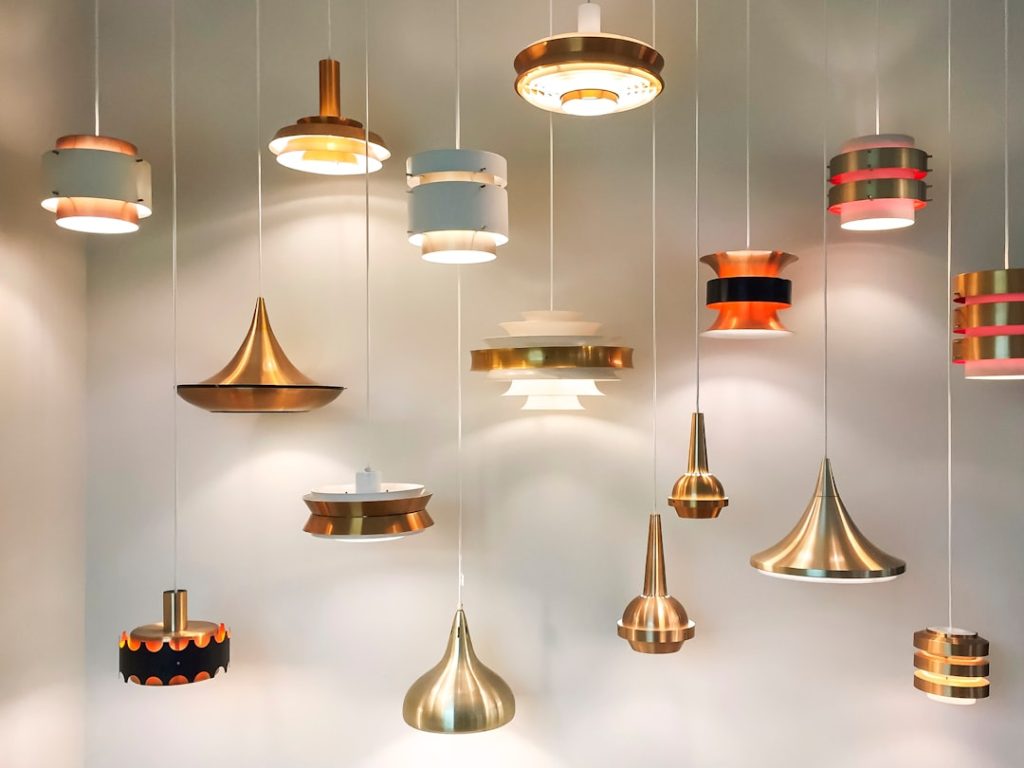
Long-lasting Acrylic and Glass Light Fixture
Light fixtures that incorporate acrylic and glass components are prevalent in modern interior and exterior design. These materials offer a combination of aesthetic appeal, durability, and light diffusion properties that make them suitable for a wide range of applications. This article will explore the characteristics of such fixtures, their common uses, maintenance requirements, and the factors that contribute to their longevity.
Acrylic and glass, while both transparent or translucent materials frequently used in lighting, possess distinct properties that influence their performance and application in light Mezohome fixtures. Understanding these differences is fundamental to appreciating the design and function of these luminaires.
Acrylic in Lighting
Often referred to by brand names such as Plexiglas or Lucite, acrylic is a thermoplastic polymer that offers a compelling alternative to traditional glass. Its inherent advantages make it a favored choice for light fixture designers seeking both form and function.
Properties of Acrylic
- Impact Resistance: One of acrylic’s most significant advantages is its exceptional impact resistance. It is considerably more shatter-resistant than glass, making it a safer option in environments where breakage is a concern, such as public spaces, children’s rooms, or areas prone to vibration or accidental impact. This durability acts as a shield, protecting the delicate internal components of the light fixture.
- Lightweight Nature: Acrylic is significantly lighter than glass, which can simplify installation procedures and reduce the structural load on ceilings or walls. This lightness also contributes to easier handling during manufacturing and shipping.
- Optical Clarity and Diffusion: Acrylic can be manufactured with high optical clarity, allowing light to pass through with minimal distortion. Furthermore, it can be produced in various textured or frosted finishes, which are effective at diffusing light. This diffusion softens harsh shadows, creates a more even illumination, and can reduce glare, contributing to a more comfortable visual environment. The diffusion properties are akin to a natural filter, transforming direct light into a gentler glow.
- Formability and Design Flexibility: Acrylic can be easily molded, cut, and shaped using various techniques, including heat bending and vacuum forming. This flexibility allows designers to create complex and innovative forms that might be difficult or impossible to achieve with glass. This opens up a canvas for creative designs, allowing for curves, swirls, and intricate patterns that enhance the aesthetic of the fixture.
- UV Resistance: Many acrylic formulations are treated to resist UV radiation, preventing yellowing or degradation over time when exposed to sunlight. This is particularly important for outdoor fixtures or those located in sunlit interiors, ensuring the material maintains its appearance and light transmission properties.
- Cost-Effectiveness: In many applications, acrylic can be a more cost-effective material than glass, especially for larger or more complex shapes. This economic advantage makes it accessible for a wider range of projects and budgets.
Types of Acrylic Used in Fixtures
- Cast Acrylic: This type is produced in sheets by pouring liquid acrylic into a mold. Cast acrylic generally offers superior optical quality and a harder surface, making it more resistant to scratching.
- Extruded Acrylic: Produced by extruding molten acrylic through a die, extruded acrylic is typically less expensive than cast acrylic and can be manufactured in thinner sheets. Its surface hardness may be slightly lower.
- Frosted or Textured Acrylic: Various surface treatments can be applied to acrylic to achieve diffusion. These can range from a fine matte finish to more pronounced textures that scatter light in specific ways.
Glass in Lighting
Glass has been a staple in lighting design for centuries, prized for its timeless elegance, perceived quality, and optical characteristics. While acrylic has emerged as a strong competitor, glass continues to hold its ground due to its unique attributes.
Properties of Glass
- Optical Purity and Brilliance: High-quality glass, particularly annealed or tempered varieties, offers exceptional optical purity and a certain brilliance that many find appealing. It can refract and reflect light in ways that contribute to a fixture’s overall sparkle and visual depth.
- Scratch Resistance: Glass is generally harder than acrylic, offering superior resistance to scratching. While not entirely impervious, its surface is more resilient to minor abrasions, which can be important in high-traffic areas.
- Thermal Stability: Glass exhibits good thermal stability, meaning it can withstand a wider range of temperatures without significant deformation or degradation compared to some plastics. This is a consideration for fixtures that may house high-wattage or heat-generating lamps.
- Weight and Perceived Quality: The inherent weight of glass can sometimes contribute to a perception of higher quality and stability in a light fixture. This heft can provide a sense of substance and permanence.
- Variety of Finishes: Glass can be manufactured in a vast array of finishes, including clear, frosted, etched, colored, and textured. These finishes allow for diverse aesthetic outcomes, from a crystal-clear presentation of the light source to a soft, diffused glow or a vibrant splash of color.
- Recyclability: Glass is a highly recyclable material, contributing to its appeal from an environmental perspective.
Types of Glass Used in Fixtures
- Annealed Glass: This is the standard type of glass produced by a slow cooling process. It is relatively fragile and will break into large, sharp shards. It is most commonly used for decorative elements or where impact is not a major concern.
- Tempered Glass: Also known as safety glass, tempered glass undergoes a heating and rapid cooling process that significantly increases its strength and resistance to impact. When it breaks, it shatters into small, relatively harmless pieces, making it a safer choice for many applications.
- Frosted Glass: Created by etching or sandblasting the surface of the glass, frosted glass diffuses light, reducing glare and creating a softer illumination. The degree of frosting can vary, affecting the light transmission.
- Colored Glass: Glass can be colored by adding metal oxides during the manufacturing process. This allows for a wide spectrum of hues to be incorporated directly into the glass, enhancing the fixture’s decorative potential.
- Art Glass (e.g., Murano, Stained Glass): For more decorative and custom applications, artisanal glass techniques can be employed, resulting in unique patterns, textures, and color combinations.
Design and Aesthetic Considerations
The integration of acrylic and glass in light fixtures is driven by a desire to achieve specific aesthetic outcomes and functional performance. The interplay between these materials allows for a broad spectrum of design possibilities, catering to diverse interior styles and architectural demands.
Modern and Minimalist Designs
Acrylic and glass are cornerstones of contemporary lighting. Their inherent translucence and ability to be shaped into clean, geometric forms lend themselves perfectly to minimalist and modern aesthetics.
Clean Lines and Geometric Shapes
- Acrylic: The formability of acrylic allows for the creation of sleek, linear diffusers, precise geometric shapes like cubes or spheres, and seamlessly integrated components. Its ability to be bent and molded without visible seams contributes to a polished, unbroken surface. Imagine an acrylic tube acting as a beacon, casting its light evenly.
- Glass: While more challenging to achieve complex free-form shapes without specialized techniques, glass can be cut into sharp geometric patterns or formed into elegant cylinders and domes. Often, clear or frosted glass is used to highlight the simplicity of the fixture’s form. Think of a clear glass cylinder housing a filament bulb, showcasing its vintage appeal.
Transparency and Light Diffusion
- Balancing Illumination: The choice between clear and diffused acrylic or glass depends on the desired lighting effect. Clear materials allow for direct light distribution, often used for accentuating objects or creating task lighting. Frosted or textured materials, on the other hand, soften the light, reducing glare and creating a more ambient illumination. This is like choosing between a spotlight and a gentle wash.
- Creating Ambiance: Diffused light from acrylic or glass can significantly impact a room’s ambiance. A soft, even glow can contribute to a more relaxing and inviting atmosphere, while sharp, direct light might be preferred for functional areas. The material acts as a conductor, transforming raw light into a curated experience.
- Hiding the Source: Frosted or textured surfaces effectively obscure the internal light source, contributing to a cleaner visual appearance and preventing discomfort from direct bulb glare. This allows the fixture to present itself as a sculptural element rather than just a holder for a bulb.
Transitional and Traditional Styles
While often associated with modern design, acrylic and glass also find their place in transitional and even traditional settings, albeit with different material treatments and fixture forms.
Emulating Traditional Elements
- Glass as a Counterpart to Metal: In traditional fixtures, glass shades are often paired with ornate metalwork in brass, bronze, or wrought iron. The glass can be clear to showcase intricate lamp bases, or it can be etched, hand-painted, or feature decorative patterns to complement the metal. Consider a Tiffany-style lamp with its stained glass panels.
- Acrylic as a Substitute for Glass: In some cases, acrylic can be used to mimic the appearance of glass in traditional designs, especially where durability and safety are paramount. For instance, a clear acrylic shade might be used in a high-traffic hallway where a glass shade would be more prone to damage.
- Textured and Patterned Surfaces: Etched, seeded, or crackled glass textures can add visual interest and a vintage feel to traditional fixtures. Similarly, acrylic can be manufactured with similar textures to achieve a comparable aesthetic.
Decorative and Accent Lighting
- Colored Glass and Acrylic: Colored glass and acrylic offer a vibrant way to add personality and visual interest to a space. These can be used for decorative pendant lights, sconces, or chandeliers, casting pools of colored light that transform the mood of a room.
- Statement Pieces: Large, intricately designed fixtures featuring substantial glass or acrylic elements can serve as focal points in a room. Chandeliers with cascading glass pendants or large acrylic sculptures that incorporate lighting are examples of such statement pieces. The fixture becomes a work of art, illuminated.
- Task and Accent Illumination: Smaller fixtures with well-placed acrylic or glass diffusers can provide targeted task lighting or highlight architectural features and artwork.
Durability and Longevity Factors
The “long-lasting” aspect of acrylic and glass light fixtures is a key selling point. Several factors contribute to the enduring performance and appearance of these luminaires, extending their useful life beyond that of less robust alternatives.
Material Properties as a Foundation
The intrinsic qualities of acrylic and glass form the bedrock of their longevity.
Resistance to Environmental Factors
- UV Stability: As mentioned, many acrylics are formulated with UV inhibitors. This is crucial for preventing the material from becoming brittle, yellowing, or degrading when exposed to sunlight or certain types of artificial light. Think of it as a sunscreen for plastic. Glass, being inorganic, is inherently resistant to UV degradation.
- Corrosion Resistance: Both acrylic and glass are non-metallic and therefore resistant to rust and corrosion. This makes them well-suited for use in damp environments like bathrooms or kitchens, as well as for outdoor applications where exposure to moisture is common. They are impervious to the creeping rust that can plague metal components over time.
- Chemical Resistance: While specific resistances vary, both materials generally offer good resistance to common household cleaning agents. However, it is always advisable to consult manufacturer guidelines for specific cleaning products to avoid damaging the finish or material.
Physical Resilience
- Impact vs. Brittleness: The superior impact resistance of acrylic compared to standard glass means it is less likely to shatter from accidental bumps or drops. This reduces the risk of costly replacements due to breakage. While tempered glass offers improved durability over annealed glass, acrylic often surpasses it in shatter-resistance.
- Scratch Resistance of Glass: Glass generally offers better scratch resistance than acrylic. However, for applications where extreme scratch resistance is not the primary concern, acrylic’s other benefits may outweigh this. High-quality acrylics can be coated or polished to improve their scratch resistance.
Construction and Manufacturing Quality
Beyond the inherent material properties, the quality of construction and manufacturing plays a critical role in a light fixture’s lifespan.
Secure Fastenings and Seals
- Preventing Water Intrusion: For outdoor or damp-rated fixtures, the integrity of seals and fastenings is paramount. Well-constructed fixtures will have robust gaskets and sealing mechanisms to prevent moisture ingress, which can lead to internal corrosion of electrical components or degradation of materials. A tight seal is like a well-built dam, holding back the unwanted elements.
- Structural Integrity: The way acrylic or glass components are attached to the fixture’s frame is crucial. Secure mounting systems prevent undue stress on the materials, reducing the risk of cracks or detachment over time, especially in areas prone to vibration or temperature fluctuations.
Quality of Electrical Components
- Reliable Wiring and Sockets: The longevity of a light fixture is intrinsically linked to the durability of its electrical components. High-quality wiring, sockets, and power supplies are less prone to failure, overheating, or short circuits. Manufacturers who use reputable electrical components contribute to the overall lifespan of the product.
- Heat Dissipation: Fixtures designed with adequate ventilation or heat sinks for the light source will help prolong the life of both the bulb and the surrounding acrylic or glass components, especially if using LED technology which can generate some heat.
Maintenance and Care
Proactive and appropriate maintenance significantly contributes to the long-lasting appearance and functionality of acrylic and glass light fixtures.
Regular Cleaning Practices
- Gentle Cleaning Agents: Using mild soap and water or specialized acrylic cleaners is recommended for acrylic to avoid scratching or damaging the surface. For glass, standard glass cleaners are generally suitable. Harsh chemicals or abrasive pads can dull the finish or create micro-scratches.
- Soft Cloths: Employing soft microfiber cloths for cleaning prevents scratching. Avoid paper towels or abrasive sponges. The cloth acts as a gentle sponge, lifting away grime without leaving a trace.
- Dust Removal: Regular dusting with a dry or slightly damp cloth helps prevent the buildup of grime that can become difficult to remove and dull the fixture’s appearance.
Avoiding Harsh Environments
- Placement Considerations: For outdoor fixtures, choosing a location that minimizes exposure to extreme weather conditions like direct, prolonged high-intensity sunlight or heavy salt spray (in coastal areas) can further enhance their lifespan.
- Temperature Fluctuations: While glass is generally stable, extreme and rapid temperature changes can potentially stress either material. Fixtures exposed to such conditions may require more robust construction or careful placement.
Applications in Various Environments
The inherent versatility and durability of acrylic and glass light fixtures have led to their widespread adoption across a multitude of settings, from residential interiors to demanding commercial and outdoor spaces.
Residential Lighting
In homes, these fixtures are chosen for both their aesthetic appeal and practical advantages.
Interior Applications
- Living Areas: Pendant lights with acrylic or glass shades can provide ambient illumination in living rooms, dining rooms, and kitchens. Sconces and ceiling fixtures made from these materials can add a touch of modern elegance or a softer, diffused glow.
- Bathrooms and Kitchens: The moisture resistance of acrylic and glass makes them suitable for these areas. Frosted glass or acrylic diffusers can create a comfortable, glare-free light for tasks like grooming or food preparation.
- Bedrooms and Hallways: Softly diffused light from acrylic or glass fixtures can enhance the serene atmosphere of bedrooms. In hallways, sleek designs can contribute to a sense of style and provide necessary illumination for navigation.
Exterior Applications
- Porch and Patio Lights: Weather-resistant acrylic or glass fixtures provide functional illumination for entryways and outdoor living spaces. Their durability against the elements is a key advantage.
- Garden and Landscape Lighting: Many pathway lights and accent fixtures utilize acrylic or glass lenses to protect the light source and direct the light effectively. These are designed to withstand outdoor conditions.
Commercial and Public Spaces
The durability and safety features of acrylic and glass are particularly valued in environments with higher traffic and greater potential for impact.
Retail and Hospitality
- Creating Ambiance: In retail environments, accent lighting with glass or acrylic can be used to highlight merchandise. In hotels and restaurants, decorative fixtures with these materials can contribute to the desired atmosphere and brand image.
- High-Traffic Areas: The shatter resistance of acrylic makes it a preferred choice for lighting in areas where accidents are more likely, such as shopping mall corridors, hotel lobbies, and public restrooms.
Office and Institutional Settings
- Task and General Lighting: Modern office spaces often employ sleek acrylic diffusers in ceiling panels or pendant fixtures to provide consistent, glare-free illumination for workspaces.
- Durability and Safety: In schools, hospitals, and other institutions, the inherent safety of shatter-resistant materials like acrylic and tempered glass is a significant consideration for overhead lighting.
Specialized Applications
Beyond general illumination, acrylic and glass light fixtures serve specific purposes in various niches.
Architectural and Decorative Lighting
- Custom Designs: Architects and interior designers frequently commission custom fixtures utilizing the unique properties of acrylic and glass for signature projects. This allows for integration of lighting that is entirely unique to the space.
- Artistic Installations: The ability to mold and color these materials makes them ideal for artistic light installations and sculptural lighting elements.
Industrial and Utilitarian Use
- Protective Lenses: In some industrial settings, acrylic or glass lenses are used to protect sensitive lighting components from dust, debris, or impact while allowing light to pass through.
- Specialized Fixtures: Certain specialized fixtures, such as those found in greenhouse environments or for specific scientific applications, may utilize specific properties of acrylic or glass for light transmission or environmental resistance.
Considerations for Selection and Purchase
When selecting an acrylic or glass light fixture, several factors warrant careful consideration to ensure satisfaction and longevity.
Balancing Material Choice with Application
The primary decision often boils down to the specific needs of the installation.
Durability Requirements
- High-Impact Areas: For locations prone to accidental impact, acrylic or tempered glass are generally preferred over standard annealed glass. The choice between acrylic and tempered glass may depend on other factors such as specific impact rating requirements or aesthetic preferences.
- Residential vs. Commercial: While both materials are used in residential settings, the emphasis on extreme durability and potential vandalism in commercial or public spaces might tilt the preference towards the more robust options.
Aesthetic Goals
- Desired Light Quality: The intended light effect – whether it’s soft diffusion, sharp clarity, or colored light – will heavily influence the choice of material and finish.
- Style and Form: The overall design of the fixture, its shape, and how it integrates with the surrounding decor are crucial. Acrylic offers a broader range of complex forms, while glass might be favored for its perceived classic elegance.
Environmental Exposure
- Indoor vs. Outdoor Use: Outdoor fixtures require materials that are resistant to UV radiation, moisture, and temperature fluctuations. Always confirm the fixture’s IP (Ingress Protection) rating for outdoor applications.
- Damp Locations: Bathrooms and kitchens are considered damp locations and require fixtures with appropriate sealing and material resistance.
Understanding Warranties and Manufacturer Reputation
A product’s warranty and the manufacturer’s standing in the industry can offer valuable insights into its expected lifespan and quality.
Manufacturer Guarantees
- Material Warranties: Reputable manufacturers often provide warranties on the materials used, particularly for coatings or UV resistance on acrylic. A warranty serves as a manufacturer’s pledge of confidence in their product’s durability.
- Electrical Component Guarantees: The warranty period for electrical components can indicate the manufacturer’s faith in their reliability.
Reputation and Reviews
- Industry Standing: Manufacturers with a long-standing reputation for producing quality lighting fixtures are generally a safer bet.
- Customer Feedback: Online reviews and customer testimonials can provide real-world insights into the actual performance and durability of a fixture over time. These offer a glimpse behind the glossy product descriptions.
Budgetary Factors
While “long-lasting” implies investment, the initial cost can vary significantly.
Initial Investment vs. Long-Term Value
- Cost-Effectiveness: While some acrylic or glass fixtures may have a higher upfront cost, their durability and longevity can translate into better long-term value by reducing the need for frequent replacements.
- Material and Complexity: The cost is influenced by the type of acrylic or glass used, the complexity of the design, the quality of the hardware, and the brand.
By carefully considering these factors, consumers and specifiers can make informed decisions when choosing acrylic and glass light fixtures, ensuring they select products that are not only aesthetically pleasing but also built to last.

