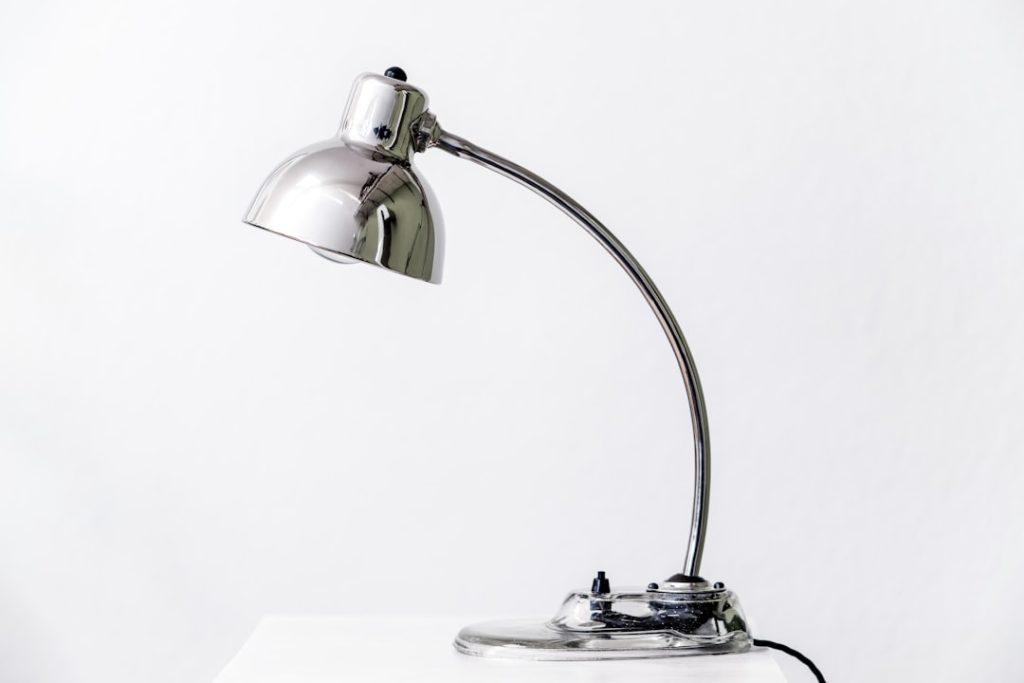
Designer Replica: Bauhaus Sunset Lamp
This article examines the “Designer Replica: Bauhaus Sunset Lamp,” a product that emulates the aesthetic principles of the Bauhaus movement within a contemporary lighting fixture format. It will explore the design influences, manufacturing considerations, market presence, and critical evaluation of such replicas.
The “sunset lamp” as a product category is a relatively recent phenomenon within the consumer lighting market. Its core function is to project a circular gradient of light that mimics the atmospheric effects observed during a sunset or sunrise. This effect is typically achieved through arrangements of LEDs and colored gels or filters.
Market Emergence of Atmospheric Lighting
The rise in popularity of atmospheric and mood lighting can be attributed to several factors. Increased emphasis on home decor, the influence of social media trends showcasing aesthetically pleasing interiors, and a growing interest in creating specific emotional environments within living spaces have all contributed to this demand. The “sunset lamp” capitalizes on this desire for evocative lighting.
Technological Foundation
The underlying technology for these lamps is straightforward. Modern LEDs offer a wide spectrum of colors and are energy-efficient. Combining these LEDs with diffusers and sometimes specialized lenses allows for the creation of soft, blending light projections, essential to the “sunset” effect. Early iterations may have used simpler colored bulbs, but contemporary versions leverage LED arrays for greater color accuracy and control.
Bauhaus Influence on Design Replicas
The term “Bauhaus” refers to a German art school operational from 1919 to 1933, renowned for its approach to design that unified art, craft, and technology. Its principles, such as functionalism, minimalist aesthetics, and the integration of industrial production, continue to profoundly influence modern design.
Core Bauhaus Principles
The Bauhaus movement advocated for designs that were:
- Functional: Objects should primarily serve their intended purpose without excessive ornamentation. Ornamentation, if present, should be intrinsic to the form.
- Minimalist: Reduction to essential forms and colors was paramount. This often involved geometric shapes and primary colors.
- Industrial Production Friendly: Designs were conceived with mass production in mind, aiming for accessibility and affordability.
- Truth to Materials: Materials should be used honestly, revealing their inherent qualities rather than being disguised.
Applying Bauhaus Aesthetics to Lighting
In original Bauhaus contexts, lighting fixtures, such as those by Wilhelm Wagenfeld for example, often featured geometric forms, materials like glass and metal, and a clear functional purpose. The intent was to provide illumination effectively and beautifully, without superfluous elements.
The “Bauhaus Sunset Lamp” as an Interpretation
A “Bauhaus Sunset Lamp” replica attempts to fuse the contemporary “sunset lamp” function with the aesthetic language of the Bauhaus. This typically manifests in:
- Geometric Forms: The lamp’s structure often employs basic shapes like circles, cylinders, and cuboids.
- Minimalist Structure: The design avoids embellishment, focusing on the light source and its support structure as essential components.
- Materiality: While often using modern materials like aluminum alloys and plastics, the aim is to convey a sense of honest material use, albeit sometimes a superficial one given the replica nature.
- Color Palette (Subtle): While the projected light is colorful, the lamp’s physical housing might adhere to a more neutral or primary color scheme, in keeping with Bauhaus principles.
Manufacturing and Material Considerations
The production of “Designer Replica: Bauhaus Sunset Lamps” involves a range of materials and manufacturing processes, typically aimed at cost-effectiveness while maintaining a passable aesthetic.
Material Selection
Common materials include:
- Aluminum Alloys: Used for the lamp’s body, stand, and heat sinks due to their lightweight nature, durability, and heat dissipation properties.
- ABS Plastic: Often employed for non-structural components, internal housing, and sometimes external shells to reduce cost and weight.
- Glass Lenses/Diffusers: Essential for shaping and distributing the LED light, often chosen for clarity and heat resistance.
- LED Components: The core light source, chosen for color rendering, longevity, and energy efficiency. RGB LEDs are vital for color control.
Production Processes
The manufacturing process typically involves:
- CNC Machining or Die-Casting: For metal components, ensuring precision and consistent forms.
- Injection Molding: For plastic parts, allowing for intricate shapes and mass production.
- Assembly Line Production: Bringing together the various components, including electronic circuitry, optical elements, and structural parts.
- Surface Finishing: Anodizing for aluminum or painting for plastics to achieve desired aesthetics and durability.
Quality Control Challenges in Replicas
As replicas, these lamps exist in a complex space regarding quality. Manufacturers may prioritize cost reduction, leading to variations in material thickness, finish quality, and the longevity of electronic components. Issues can range from inconsistent light projection to premature LED failure.
Market Presence and Consumer Perception
The “Designer Replica: Bauhaus Sunset Lamp” occupies a specific niche within the global consumer electronics and home decor markets. Its market presence is characterized by accessibility and often aggressive pricing.
Online Retail Dominance
These lamps are predominantly sold through online retail platforms, including e-commerce giants and smaller direct-to-consumer websites. This distribution model minimizes overheads and facilitates global reach. Social media advertising plays a significant role in promoting these products.
Pricing Strategies
Pricing for these replicas varies widely, from very inexpensive options, indicating mass production with minimal quality control, to moderately priced versions that might emphasize slightly better materials or features. The “replica” designation itself often implies a lower price point compared to original designs or high-end interpretations.
Consumer Motivations
Consumers are typically drawn to these lamps for several reasons:
- Aesthetic Appeal: The visual effect of a projected sunset is widely considered appealing and contributes to a calming or romantic atmosphere.
- Affordability: Compared to bespoke lighting installations or lamps from established design houses, these replicas offer a low-cost alternative.
- Trend Following: The lamps have become a popular item featured in home decor trends and on platforms like TikTok and Instagram.
- Mood Enhancement: The perceived ability of the light to create a desired ambiance stands as a primary motivator.
The “Replica” Conundrum
The use of “Designer Replica” in the product name immediately raises questions about intellectual property and authenticity. While the “sunset lamp” concept is generic, attaching “Bauhaus” aims to imbue the product with design prestige, even if the connection to genuine Bauhaus design principles is often superficial or selectively applied. This practice is common in consumer goods, where association with esteemed movements can elevate perceived value without necessarily adhering to the original rigor.
Critical Evaluation of “Bauhaus Sunset Lamp” Replicas
Evaluating these lamps requires a multi-faceted approach, balancing their functional aspirations with their claims of design lineage.
Design Authenticity vs. Appropriation
The central tension lies in the appropriation of the “Bauhaus” moniker. Does a geometrically structured lamp that projects colored light truly embody the spirit and principles of the Bauhaus movement? Typically, the connection is tenuous. While borrowing geometric forms and a minimalist facade, replicas often lack the deep functional integration, material honesty, and experimental rigor that characterized original Bauhaus works. They are more accurately described as contemporary items influenced by minimalist design, rather than direct descendants or representations of Bauhaus philosophy in modern lighting. The spirit of mass production and affordability might align, but the depth of design innovation often does not.
Functional Efficacy
From a purely functional standpoint, how effective are these lamps at achieving their primary purpose: projecting a convincing “sunset” effect?
- Color Rendition: The quality of the LEDs and optics significantly impacts the accuracy and smoothness of the color gradients. Cheaper models may exhibit banding or less natural color transitions.
- Brightness and Coverage: The lamp’s output needs to be sufficient for the desired room size and distance, without being overly harsh.
- Longevity: The lifespan of the LEDs and the electrical components is a key factor. Cheaper electronics are prone to earlier failure.
- Ease of Use: Features like remote controls, dimmer functions, and timer settings contribute to user convenience.
Environmental Considerations
The widespread production and consumption of these lamps have environmental implications:
- Material Sourcing: The origin of plastics and metals, and the environmental impact of their extraction and processing, are relevant.
- Energy Consumption: While LEDs are energy-efficient, the cumulative energy use across millions of units is not insignificant.
- Planned Obsolescence: If cheaper replicas are designed with a limited lifespan, they contribute to electronic waste.
- Packaging: The amount and type of packaging used impact waste generation.
Ethical Considerations
The “Designer Replica” label itself introduces ethical considerations:
- Intellectual Property: While specific Bauhaus designs might be in the public domain, the appropriation of the brand name “Bauhaus” in a way that suggests direct lineage without genuine connection can be misleading.
- Misrepresentation: Does the product genuinely represent the design philosophy it claims to embody, or is it merely leveraging a prestigious name for marketing purposes? Buyers may be led to believe they are acquiring something with a richer design pedigree than is actually present.
- Sustainability Practices: The rapid production cycles for trendy items often overlook sustainable manufacturing and labor practices.
Future Outlook for “Sunset Lamps”
The “sunset lamp” as a product category, irrespective of its Bauhaus branding, is likely to evolve.
Technological Advancements
Future iterations may incorporate:
- Smarter Controls: Integration with smart home ecosystems, voice control, and more sophisticated app-based adjustments for color, brightness, and effects.
- Adaptive Lighting: Sensors that adjust light output and color temperature based on ambient lighting conditions or time of day.
- Improved Optics: More advanced lens arrays to create richer, more dynamic, and geographically accurate atmospheric effects.
- Sustainable Materials: A shift towards recycled plastics, sustainably sourced metals, and modular designs for easier repair and recycling.
Design Evolution
The core aesthetic of the “sunset lamp” may diversify beyond minimalist geometric forms. Experimentation with different lamp structures, integration into furniture, and more artistic forms could emerge. The “Bauhaus” influence may wane as the trend matures, or it could be reinterpreted with greater fidelity by designers genuinely engaging with its principles.
Market Dynamics
The market for these lamps will likely see continued segmentation:
- Premium Segment: High-end versions focusing on superior materials, refined optics, smart features, and potentially collaborations with renowned designers.
- Mid-Range Segment: Balancing features and quality with affordability, perhaps offering better build quality than the lowest tier.
- Budget Segment: Continued availability of very inexpensive models, primarily driven by price point and mass appeal.
In conclusion, the “Designer Replica: Bauhaus Sunset Lamp” is a product born at the intersection of consumer trends, technological accessibility, and the enduring appeal of prestigious design movements. While it attempts to reference Bauhaus aesthetics through simplified forms, its primary function and market presence are defined by its ability to create a visually appealing, atmospheric light effect, often at an accessible price point. Its true connection to the rigorous design philosophy of the Bauhaus is debatable, serving more as a descriptor to convey a certain minimalist style rather than a faithful embodiment of its intellectual and artistic depth. As a consumer, understanding this distinction is crucial to a critical evaluation of the product.