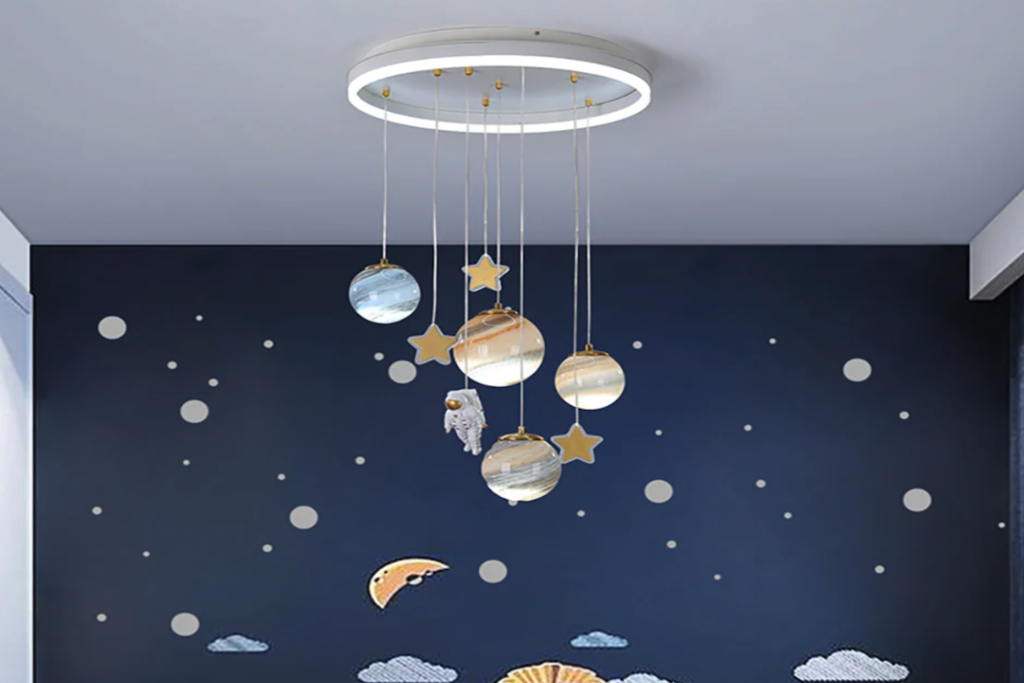
Affordable Elegance: High-End Acrylic Pendant Lamp Under $250
Acrylic pendant lamps have emerged as a notable alternative to traditional lighting fixtures, offering a blend of modern aesthetics and practical benefits. This article explores the concept of “affordable elegance” as it pertains to high-end acrylic pendant lamps priced under $250. We will delve into the materials, design principles, functionality, and market considerations that define this niche, providing you with a comprehensive understanding of why these fixtures are gaining popularity in contemporary interior design.
Acrylic, scientifically known as polymethyl methacrylate (PMMA), is a synthetic polymer that has found widespread application across various industries, including lighting Syesi. Its properties render it particularly suitable for pendant lamp construction, providing advantages over glass or other conventional materials.
Physical and Chemical Properties
- Transparency: Acrylic offers exceptional optical clarity, often surpassing that of glass. This characteristic allows for optimal light transmission, crucial for effective illumination. Its refractive index is approximately 1.49, which is comparable to many types of glass.
- Lightweight: A key advantage of acrylic is its lower density compared to glass. This translates to lighter fixtures, simplifying installation and reducing structural load. For example, acrylic is roughly half the weight of an equivalent volume of glass, significantly easing handling during installation.
- Durability and Impact Resistance: Acrylic exhibits high impact strength, making it more resistant to breakage than glass. This property enhances safety, particularly in environments where accidental impacts are possible. Its tensile strength typically ranges from 50 to 77 MPa.
- Formability: The thermoplastic nature of acrylic allows it to be easily molded and shaped through various processes, including thermoforming, injection molding, and extrusion. This versatility enables designers to create complex and aesthetically diverse forms that would be challenging or cost-prohibitive with glass.
- UV Resistance: High-quality acrylic formulations often include UV stabilizers, which prevent yellowing and degradation over time when exposed to sunlight. This maintains the aesthetic integrity and optical performance of the lamp.
- Chemical Resistance: While generally resistant to many common chemicals, prolonged exposure to certain solvents or strong acids can cause etching or damage. It is important to consider cleaning agents and environmental factors during use.
Manufacturing Processes
The production of acrylic pendant lamps involves several sophisticated manufacturing techniques:
- Sheet Extrusion: Acrylic pellets are melted and pushed through a die to create continuous sheets of uniform thickness. These sheets can then be cut, polished, and formed into various components of the lamp.
- Injection Molding: Molten acrylic is injected under high pressure into a mold cavity. This process is ideal for creating complex, three-dimensional shapes with high precision and repeatability, including diffusers or intricate decorative elements.
- Thermoforming: Acrylic sheets are heated to a pliable temperature and then formed over a mold using vacuum pressure or mechanical means. This method is effective for producing larger, curved, or organic shapes commonly seen in pendant lamp shades.
- Laser Cutting and Engraving: Lasers are employed to precisely cut acrylic sheets into intricate patterns or engrave designs onto their surface, adding decorative elements and enhancing aesthetic appeal.
These manufacturing capabilities are instrumental in bringing diverse and intricate designs to market, often at a lower production cost compared to artisanal glasswork, which contributes to the affordability aspect.
Design Principles and Aesthetics
The appeal of high-end acrylic pendant lamps often lies in their adherence to specific design principles that prioritize both form and function. Aesthetic versatility is a hallmark of these fixtures, allowing them to integrate into a range of interior styles.
Modern and Contemporary Appeal
Acrylic pendant lamps frequently embody modern and contemporary design ethos. This includes:
- Minimalism: Clean lines, uncluttered forms, and a focus on essential elements are common. The transparency of acrylic can contribute to a sense of lightness and openness, preventing the fixture from visually overwhelming a space. Think of it as a transparent veil, allowing the light to take center stage without imposing a heavy visual presence.
- Geometric Shapes: Squares, circles, cylinders, and abstract geometric forms are prevalent. These shapes are often rendered with precision, highlighting the material’s ability to hold complex forms. The uniformity of acrylic also ensures that these geometric forms maintain their sharp edges and smooth surfaces, contributing to a refined look.
- Sleek Finishes: Polished surfaces, often achieved through extensive sanding and buffing, contribute to a reflective quality that enhances light play and gives a sophisticated appearance. A highly polished surface can act like a mirror, reflecting ambient light and elements of the room, thus becoming an integral part of the space’s overall luminosity.
Versatility in Interior Application
The design flexibility of acrylic lamps allows them to complement various interior décors:
- Industrial: When paired with raw metal finishes or exposed concrete, acrylic can introduce a contrasting element of refinement and transparency, softening the industrial edge.
- Scandinavian: The light, airy quality of acrylic aligns well with the Scandinavian emphasis on natural light, functional simplicity, and pale color palettes. A translucent acrylic, for instance, can mimic the ethereal quality of diffused light on a snowy landscape.
- Mid-Century Modern: Acrylic’s ability to be formed into organic curves and bold geometric shapes makes it compatible with the iconic forms and materials of mid-century design. Think of it as a modern interpretation of the plastics popular during that era, but with enhanced clarity and durability.
- Bohemian: While less common, some acrylic designs incorporate textured or colored acrylics, or integrate natural elements, allowing them to fit into more eclectic spaces.
The material’s inherent flexibility allows for designs that can mimic the appearance of glass (e.g., crystal-cut effects) without the associated weight or cost, thus expanding the range of luxury aesthetics available at a lower price point.
Illumination and Functionality
Beyond aesthetics, the primary function of any pendant lamp is to provide illumination. High-end acrylic pendant lamps are engineered to optimize light distribution and integrate modern lighting technologies.
Light Distribution Characteristics
The optical properties of acrylic significantly influence how light is emitted from the fixture:
- Diffusion: Acrylic diffusers, often satin-finished or opacified, can evenly spread light, reducing glare and creating a soft, ambient glow. This is particularly useful in living rooms or dining areas where a warm, inviting atmosphere is desired. A well-designed diffuser acts like a gentle hand, smoothing out the harshness of direct light.
- Directional Lighting: Clear or faceted acrylic elements can be used to direct light in specific patterns, creating focused beams or dramatic light and shadow effects. This is beneficial for task lighting over a kitchen island or highlighting architectural features. Consider the light as an artist’s brush, controlled by the form of the acrylic to paint specific areas with illumination.
- Color Rendering: The transparency of high-quality acrylic ensures that the color temperature and rendering index (CRI) of the light source are maintained, preserving the true colors of objects in the illuminated space. Poor material quality, conversely, can introduce a color cast, distorting the perceived hues.
Integration of LED Technology
The confluence of acrylic and LED technology is a critical factor in the value proposition of these lamps:
- Energy Efficiency: LEDs consume significantly less energy than incandescent or halogen bulbs, leading to lower electricity bills and a reduced environmental footprint. This is a long-term economic benefit that adds to the overall value proposition.
- Longevity: LEDs have a much longer lifespan than traditional bulbs, reducing the frequency of bulb replacement and associated maintenance efforts. A typical LED lamp can last 25,000 to 50,000 hours, compared to 1,000-2,000 hours for incandescent bulbs. This extended life represents a substantial convenience.
- Compact Size: The small form factor of LEDs allows for more compact and intricate fixture designs. This enables designers to embed light sources discreetly within the acrylic structure, creating minimalist and seamless appearances.
- Dimming Capabilities: Many LED systems support dimming, allowing users to adjust light intensity to suit different moods or times of day, enhancing the versatility of the lighting scheme.
- Color Temperature Control: Advanced LED systems permit adjustment of color temperature (from warm white to cool white), offering further customization of the lighting environment.
The thermal management properties of acrylic are also important here; while LEDs generate less heat than traditional bulbs, ensuring adequate dissipation is still crucial for their longevity. Acrylic, being a relatively poor thermal conductor compared to metal, necessitates careful design for optimal heat transfer away from the LED components.
Cost-Effectiveness and Value Proposition
The concept of “affordable elegance” hinges on the ability to achieve a high-end aesthetic and functional quality without entering the premium price brackets typically associated with bespoke or glass fixtures.
Material and Production Savings
Several factors contribute to the lower cost of acrylic pendant lamps relative to their glass counterparts:
- Raw Material Cost: Acrylic sheet or pellet stock is generally less expensive than high-quality art glass or blown glass. The raw material cost per kilogram for commodity acrylic is significantly lower than for specialized glass formulations.
- Manufacturing Efficiency: The mass production capabilities of acrylic through processes like injection molding or thermoforming are far more efficient than traditional glassblowing or intricate glass cutting. This allows for higher output volume at a lower unit cost. Imagine a production line churning out hundreds of acrylic diffusers versus a skilled artisan meticulously blowing each glass shade; the difference in labor and speed is substantial.
- Reduced Transportation Costs: Due to its lighter weight and durability, acrylic fixtures incur lower shipping costs and have a reduced risk of damage during transit, further contributing to overall savings. Fewer broken items mean fewer replacements and reduced insurance costs.
Market Positioning Under $250
Achieving a sub-$250 price point for a “high-end” acrylic pendant lamp involves strategic design and sourcing:
- Standardized Components: Utilizing readily available, standardized LED modules, wiring, and mounting hardware helps reduce custom fabrication costs.
- Streamlined Designs: Focus on elegant, yet relatively simple forms that are efficient to manufacture. Overly complex shapes or excessive use of custom processes can push costs beyond this threshold.
- Direct-to-Consumer Models: Some brands bypass traditional retail channels, selling directly to consumers online. This eliminates intermediary markups, allowing for better pricing while maintaining quality.
- Bulk Sourcing: Manufacturers leveraging large-scale production benefit from economies of scale in material procurement, wiring, and other components.
- Efficient Supply Chains: Optimized logistics and supply chain management further minimize costs from raw material to finished product.
The target price point dictates that while the aesthetic aim is “high-end,” the execution must be cost-conscious, a balance that acrylic is uniquely positioned to achieve. It allows for a gateway to modern design without the prohibitive cost barriers often associated with pure luxury goods.
Installation and Maintenance
The practical aspects of installation and ongoing maintenance are crucial considerations for any lighting fixture. Acrylic pendant lamps often offer advantages in these areas, complementing their cost-effectiveness and durability.
Ease of Installation
The lightweight nature of acrylic fixtures simplifies the installation process for both experienced electricians and DIY enthusiasts:
- Reduced Support Requirements: Lighter fixtures require less robust ceiling support structures, potentially simplifying the selection of mounting hardware. You don’t need to over-engineer a ceiling bracket for a lamp that weighs a fraction of its glass equivalent.
- Easier Handling: The reduced weight makes pendant lamps easier to lift, position, and secure during installation, minimizing strain and potentially allowing for one-person installation where heavier fixtures might require two. This is like moving a light cardboard box versus a heavy wooden crate; the effort differential is palpable.
- Simplified Wiring: Most modern pendant lamps, including those made of acrylic, are designed with straightforward wiring connections that conform to standard electrical codes. Clear instructions and readily accessible connection points facilitate this process.
It is important to always ensure that power is turned off at the circuit breaker before beginning any electrical installation to prevent electric shock. For complex installations or if unsure, engaging a certified electrician is advisable.
Cleaning and Care for Longevity
Proper maintenance ensures the aesthetic appeal and optical clarity of acrylic pendant lamps are preserved over time:
- Dusting: Regular dusting with a soft, lint-free microfiber cloth is typically sufficient to remove surface dust.
- Cleaning Solutions: For more stubborn marks, a mild soap solution (e.g., diluted dish soap) mixed with lukewarm water is recommended. Apply with a soft cloth and gently wipe the surface.
- Avoid Harsh Chemicals: Do not use abrasive cleaners, ammonia-based products (like window cleaner), alcohol, or solvent-based cleaners. These can etch the acrylic surface, cause clouding, or even compromise the material’s integrity over time. The surface of acrylic is more delicate than glass in this respect; treat it like a fine wood finish, not a granite countertop.
- Scratch Prevention: While durable, acrylic can be scratched by abrasive materials. Avoid dry wiping a dusty surface, as dust particles can act as abrasives. Use a damp cloth to lift dust rather than drag it.
- Polishing (Optional): For minor scratches, specialized acrylic polishing compounds can be used to restore clarity, although this is generally not necessary for routine maintenance. These compounds work by gently abrading the surface to a uniform finish.
By following these simple care instructions, the aesthetic and functional life of an acrylic pendant lamp can be significantly extended, maintaining its “elegant” appearance for years to come. The goal is to preserve its transparent, luminous quality, much like caring for a prized piece of jewelry.
In conclusion, high-end acrylic pendant lamps under $250 represent a compelling option for those seeking a modern, durable, and aesthetically versatile lighting solution. Their inherent properties, combined with efficient manufacturing and intelligent design, position them as a practical yet sophisticated choice for contemporary interiors. By understanding the material’s characteristics, design implications, functional benefits, and maintenance requirements, you are equipped to make an informed decision when considering these fixtures for your space.