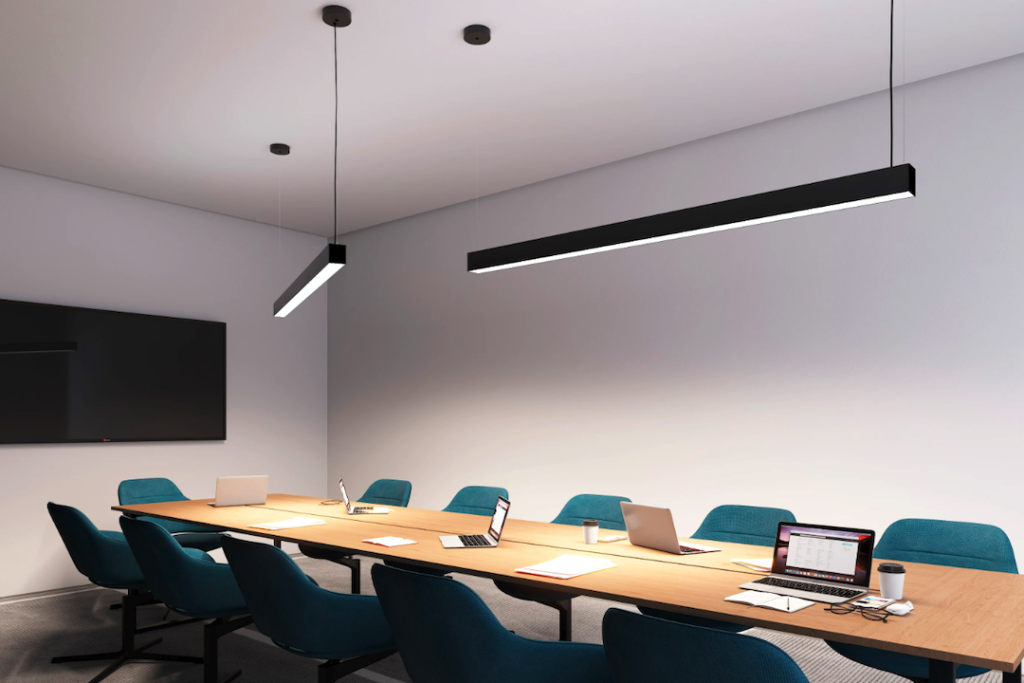
Maximizing Productivity: LED Panel Ceiling Lights for Office Spaces
The modern office environment demands efficiency and optimal conditions for its occupants. Lighting, often overlooked, plays a critical role in shaping these conditions. Historically, offices relied on fluorescent tubes and incandescent bulbs, technologies that, while functional, presented limitations in terms of energy consumption, light quality, and adaptability. The advent of Light-Emitting Diode (LED) technology, particularly in panel ceiling light formats, offers a significant leap forward, providing a more efficient and effective solution for illuminating professional workspaces. This article explores the various facets of integrating LED panel ceiling lights into office spaces, examining their benefits, operational considerations, and impact on productivity, well-being, and the overall work environment.
The Evolution of Office Lighting
Office lighting Unilamplighting has progressed through several distinct phases, each marked by advancements in technology and a growing understanding of human-centric design.
Incandescent Era: Early Limitations
Early offices predominantly utilized incandescent bulbs. These bulbs, while providing immediate light, were highly inefficient, converting a significant portion of their energy into heat rather than light. Their short lifespan and limited design flexibility made them a less-than-ideal solution for large, demanding office environments. The yellowish hue of incandescent light, while warm, did not always align with the need for crisp, focused illumination for detailed tasks.
Fluorescent Dominance: A Step Towards Efficiency
The introduction of fluorescent lighting marked a substantial improvement. Fluorescent tubes offered greater energy efficiency and a longer lifespan compared to incandescent bulbs. Their linear form factor allowed for more uniform illumination across larger areas, becoming the staple for commercial and office lighting for several decades. However, fluorescent lights often suffered from flickering, which could contribute to eye strain and headaches. They also contained mercury, posing environmental disposal challenges. The limited color temperature options and the buzzing sound associated with some fixtures were further drawbacks.
LED Revolution: Precision and Sustainability
LED technology represents a paradigm shift. Unlike previous lighting technologies, LEDs produce light through electroluminescence, offering superior energy efficiency, extended lifespans, and unparalleled control over light quality. The development of LED panel ceiling lights specifically addresses the requirements of office environments, combining these technological advantages with sleek design and simplified installation. This technology provides a versatile canvas upon which to paint a productive and comfortable workspace.
Advantages of LED Panel Ceiling Lights
The widespread adoption of LED panel ceiling lights in office settings is driven by a compelling array of benefits that directly impact operational costs, employee well-being, and environmental responsibility.
Energy Efficiency and Cost Reduction
One of the primary drivers for LED adoption is their exceptional energy efficiency. LED panels consume significantly less electricity than their fluorescent or incandescent counterparts while producing comparable or superior light output.
- Reduced Electricity Bills: The direct consequence of lower power consumption is a noticeable reduction in monthly utility expenses. This translates into tangible financial savings for businesses, particularly for large office complexes where lighting operates for extended periods.
- Lower Cooling Loads: Unlike incandescent bulbs, which emit a substantial amount of heat, LED panels produce very little. This reduction in ambient heat directly contributes to lower demands on air conditioning systems, further decreasing energy consumption and operational costs, especially in warmer climates or during summer months.
Extended Lifespan and Reduced Maintenance
LED panels boast a considerably longer operational lifespan compared to traditional lighting solutions.
- Minimizing Replacement Cycles: A typical LED panel can operate for 50,000 to 100,000 hours, drastically outlasting fluorescent tubes (typically 10,000-20,000 hours) and incandescent bulbs (750-2,000 hours). This longevity means fewer bulb replacements, reducing both the cost of new fixtures and the labor associated with their installation.
- Decreased Operational Disruptions: Less frequent maintenance translates into fewer disruptions to the work environment. Office managers can allocate resources more efficiently, as staff are not constantly engaged in changing faulty lights or scheduling maintenance appointments.
Enhanced Light Quality and Visual Comfort
The quality of light directly impacts visual acuity, mood, and overall comfort within an office space. LED panels offer superior characteristics in this regard.
- Flicker-Free Illumination: Unlike some fluorescent lights, LED panels provide consistent, flicker-free illumination. This eliminates a common cause of eye strain, headaches, and general discomfort, creating a more stable visual environment for tasks requiring sustained focus.
- Superior Color Rendering Index (CRI): CRI measures how accurately a light source renders colors compared to natural daylight. High CRI (typically 80-90+ for quality LED panels) ensures that colors in the office — from documents to digital displays to decor — appear true and vibrant. This is particularly important for design-oriented professions or tasks requiring precise color discrimination.
- Customizable Color Temperature (CCT): LED technology allows for a wide range of CCTs, measured in Kelvins (K). Cooler temperatures (e.g., 5000K-6500K) mimic natural daylight, promoting alertness and concentration, while warmer temperatures (e.g., 2700K-3500K) create a more relaxed and inviting atmosphere. The ability to select or dynamically adjust CCT provides flexibility to match lighting to specific tasks or times of day.
Design Flexibility and Aesthetic Integration
Modern office design increasingly values sleek lines and minimalist aesthetics. LED panel ceiling lights are inherently suited to this trend.
- Slim Profile and Seamless Integration: The thin profile of LED panels allows them to be discreetly integrated into various ceiling types, including suspended grid ceilings. Their flush mounting creates a clean, uncluttered look that complements contemporary office interiors.
- Even Light Distribution: The extensive surface area of LED panels, combined with internal diffusers, ensures a wide and uniform spread of light, minimizing harsh shadows and hot spots. This creates a more balanced and comfortable visual field across the workspace.
Impact on Productivity and Well-being
Beyond the technical and economic benefits, the most profound impact of advanced office lighting lies in its influence on the human element: the employees.
Circadian Rhythm Regulation
Human physiology is deeply tied to the natural light-dark cycle, known as the circadian rhythm. Office lighting, when designed thoughtfully, can support rather than disrupt this rhythm.
- Dynamic Lighting Systems: Advanced LED panel systems can be integrated with controls that allow for dynamic adjustment of CCT and brightness throughout the day. Mimicking the natural progression of daylight – cooler, brighter light in the morning for alertness, gradually warming and dimming in the afternoon – can help regulate circadian rhythms. This can improve sleep quality, reduce fatigue, and enhance overall mood.
- Reduced Eye Strain and Headaches: The consistent, flicker-free, and glare-minimized light from quality LED panels significantly reduces visual fatigue, thereby mitigating eye strain and stress-induced headaches, common complaints in poorly lit offices.
Improved Focus and Concentration
Good lighting acts as an invisible hand, guiding focus and sharpening perception.
- Optimal Illumination Levels: Appropriate illuminance levels, neither too dim nor excessively bright, ensure that tasks can be performed without unnecessary visual effort. LED panels, with their precise control, facilitate the creation of an environment where the “visual noise” of inadequate lighting is eliminated, allowing the brain to dedicate more resources to cognitive tasks. Think of it as clearing the fog from a landscape; suddenly, all the details become crisp and clear.
- Minimizing Glare: Glare, whether direct from the light source or reflected from surfaces, is a significant impediment to productivity. Well-designed LED panels incorporate diffusers and optical systems to minimize glare, creating a comfortable visual environment where screens and documents can be viewed without discomfort.
Enhanced Mood and Morale
The quality of light has a direct psychological impact, shaping perceptions and fostering a positive atmosphere.
- Aesthetic Appeal and Modernity: A well-lit office, particularly with modern, aesthetically pleasing LED panels, projects an image of professionalism and care. This can contribute to a positive psychological environment, making employees feel valued and their workspace more inviting.
- Flexibility for Task-Specific Lighting: The ability to adjust lighting parameters allows for a more personalized experience, catering to individual preferences or specific task requirements. For instance, an area dedicated to creative collaboration might benefit from warmer, softer light, while a zone for intensive data analysis might require brighter, cooler illumination. This adaptability can boost satisfaction and perceived control over the environment.
Operational Considerations and Implementation
While the benefits are clear, successful integration of LED panel ceiling lights requires careful planning and consideration of various operational aspects.
Lighting Design Principles
Effective office lighting is not merely about installing fixtures; it involves a holistic approach to design.
- Uniformity vs. Task Lighting: A common mistake is to over-illuminate an entire space uniformly. While ambient light is crucial, specific task lighting (e.g., desk lamps) can complement ambient LED panels to provide focused illumination where needed, conserving energy and reducing overall brightness. The goal is to strike a balance, with LED panels providing a comfortable base layer.
- Avoiding Over-Illumination: Excessive brightness can be as detrimental as insufficient light, leading to glare and discomfort. Proper lumen output calculations based on room size, ceiling height, and desired illuminance levels are critical to specifying the right LED panels.
- Integration with Natural Light: Whenever possible, office lighting should complement and supplement natural daylight. LED panels located further from windows can compensate for lower natural light levels, creating a seamless transition and optimizing energy usage through daylight harvesting sensors.
Control Systems and Smart Integration
The full potential of LED panel ceiling lights is realized when coupled with intelligent control systems.
- Dimming Capabilities: Most LED panels are dimmable, allowing for precise adjustment of light output. This feature is crucial for adapting to different times of day, varying tasks, or individual preferences, further enhancing energy savings.
- Occupancy and Daylight Sensors: Integrating sensors can automate lighting control. Occupancy sensors ensure lights are only on when a space is occupied, while daylight sensors dim or switch off lights when sufficient natural light is available, maximizing energy efficiency.
- Programmable Schedules and Scene Setting: Advanced control systems allow for predefined lighting schedules (e.g., brighter in the morning, gradually dimming towards the evening) and the creation of “scenes” for different activities (e.g., “presentation mode” with dimmed main lights and accent lighting). Think of these systems as the conductor of an orchestra, orchestrating the ebb and flow of light.
Installation and Compatibility
While generally straightforward, installation requires attention to detail.
- Ceiling Compatibility: LED panels are available in various sizes (e.g., 2×2 ft, 2×4 ft) to fit standard suspended grid ceilings. Ensuring compatibility with existing infrastructure or planning for new installations is essential.
- Electrical Requirements: While LEDs consume less power, proper electrical wiring and driver compatibility are necessary for optimal performance and longevity. Professional installation ensures adherence to safety standards and efficient operation.
- Emergency Lighting Integration: Offices must comply with safety regulations, including emergency lighting provision. LED panels designed for emergency backup or integrated with emergency lighting systems ensure continuity during power outages.
Environmental Responsibility
The shift to LED panel ceiling lights aligns with broader corporate sustainability goals.
Reduced Carbon Footprint
The lower energy consumption of LED panels directly translates to a reduced demand for electricity generation, which often relies on fossil fuels. This reduction in energy consumption equates to a smaller carbon footprint for the organization.
Mercury-Free Composition
Unlike fluorescent lamps, LED panels do not contain mercury or other hazardous materials. This eliminates the environmental and health risks associated with the disposal of traditional fluorescent tubes, simplifying waste management and contributing to a healthier planet.
Longevity and Reduced Waste
The extended lifespan of LED panels means fewer fixtures are manufactured, transported, and disposed of. This contributes to a reduction in material consumption and landfill waste over the long term, making them a more environmentally responsible choice.
Conclusion
LED panel ceiling lights represent a robust and intelligent solution for modern office illumination. They are more than just light sources; they are integral components of a productive, healthy, and sustainable workplace. By providing superior energy efficiency, extended lifespans, enhanced light quality, and flexible design options, these panels address both the operational demands of businesses and the well-being of their employees. Implementing LED panel ceiling lights is not merely an upgrade; it is an investment in a more efficient, comfortable, and future-proof office environment, a fundamental brick in the foundation of a thriving enterprise. Organizations that strategically embrace this technology will reap dividends in terms of reduced costs, improved employee performance, and a demonstrably reduced environmental impact.