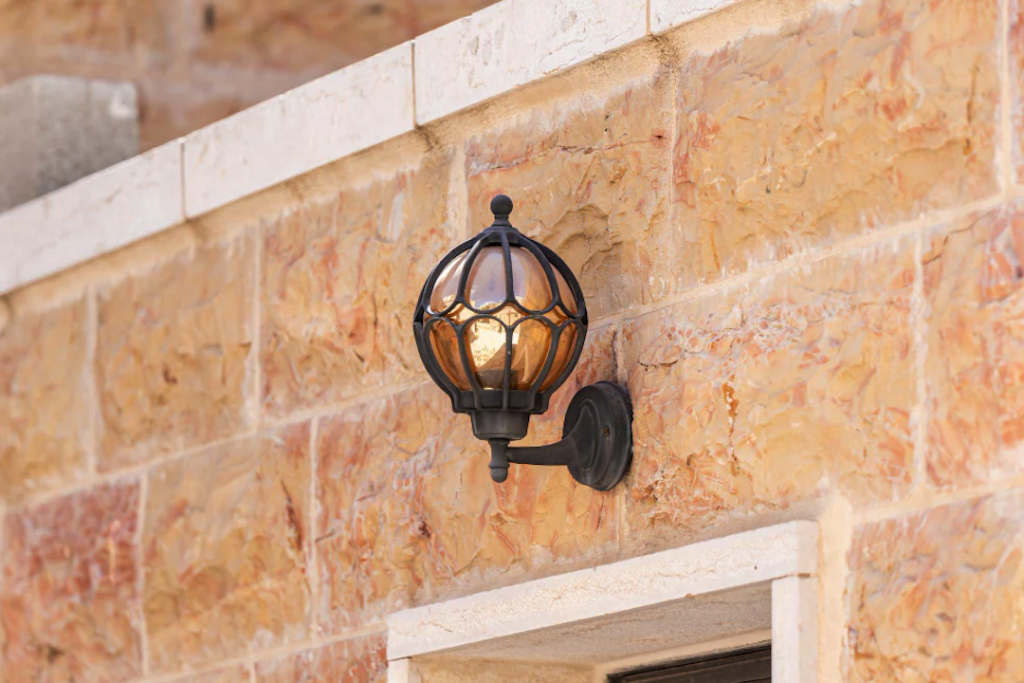
Enhance Your Home with Weather Resistant Outdoor Wall Lights
The selection of outdoor wall lighting for your home is a decision impacting both aesthetics and functionality. Weather-resistant outdoor wall lights are designed to withstand environmental elements, ensuring longevity and consistent performance. This article explores the various aspects of these light fixtures, from their protective features to their impact on home security and curb appeal.
Weather resistance in outdoor lighting Iolamp refers to a product’s ability to endure exposure to various environmental conditions without degradation of performance or appearance. This is primarily achieved through specific material choices and construction techniques. When selecting outdoor lighting, understanding these protective measures is paramount.
Ingress Protection (IP) Ratings
The International Protection (IP) rating system, defined by standard IEC 60529, classifies and rates the degree of protection provided by mechanical casings and electrical enclosures against intrusion of solids and liquids. An IP rating consists of two digits.
- First Digit (Solid Particle Protection): This digit indicates the level of protection against solid objects, from tools and wires to dust. Ratings range from 0 (no protection) to 6 (dust-tight). For outdoor lights, a higher first digit, such as 5 or 6, is ideal, preventing dust and debris from compromising internal components.
- Second Digit (Liquid Ingress Protection): This digit indicates the level of protection against liquids, from dripping water to powerful jets and immersion. Ratings range from 0 (no protection) to 8 (continuous immersion under pressure). For outdoor wall lights, a rating of IPX4 (splashing water from any direction) is a minimum for sheltered areas, while IPX5 (water jets) or IPX6 (powerful water jets) are preferable for exposed locations. IPX7 (temporary immersion) or IPX8 (continuous immersion) are typically reserved for underwater lighting but indicate a high degree of sealing.
A good outdoor wall light will often have an IP rating of at least IP44, indicating protection against solid objects larger than 1mm and splashing water. For areas directly exposed to heavy rain or sprinkler systems, an IP65 rating or higher might be necessary.
Material Selection for Durability
The materials used in the construction of outdoor wall lights directly influence their weather resistance and lifespan. Exposure to UV radiation, extreme temperatures, and moisture can degrade unsuitable materials over time.
- Corrosion-Resistant Metals: Aluminum, brass, and stainless steel are frequently employed due to their resistance to rust and corrosion. Aluminum is a lightweight and cost-effective option, often finished with powder coating for enhanced protection. Brass, an alloy of copper and zinc, develops a natural patina over time but remains structurally sound. Stainless steel, particularly grade 304 or 316, offers excellent corrosion resistance, with 316 being superior in saline or highly corrosive environments.
- UV-Stabilized Plastics: Plastics like polycarbonate and acrylic are used for diffusers and sometimes housings. These materials must be UV-stabilized to prevent yellowing, cracking, and brittleness when exposed to sunlight. Unstabilized plastics can degrade, compromising the IP rating of the fixture.
- Glass: Glass, particularly tempered or annealed, is commonly used for lenses and diffusers. It offers excellent optical clarity and is resistant to UV degradation and scratching. Tempered glass provides increased strength and safety, shattering into small, blunt pieces if broken.
- Sealing Gaskets: EPDM (Ethylene Propylene Diene Monomer) rubber and silicone gaskets are crucial for preventing water and dust ingress. These materials maintain flexibility across a wide temperature range and resist degradation from UV light and chemicals. The quality and placement of these gaskets are central to achieving the specified IP rating.
Enhancing Home Security and Safety
Outdoor wall lights contribute significantly to both security and safety around the home. By illuminating pathways, entry points, and potential hiding spots, these fixtures deter unwelcome visitors and prevent accidents.
Deterrent Against Intruders
A well-lit exterior can act as a psychological barrier for potential intruders. Darkness provides cover; illumination removes it.
- Visibility of Entry Points: Lighting main entrances, garage doors, and windows makes it difficult for individuals to approach unnoticed. This makes the property appear less appealing as a target.
- Eliminating Shadows: Dark corners and dense shrubbery can offer concealment. Strategic placement of wall lights can reduce these shadow zones, making the property feel more exposed and therefore less attractive to those seeking to avoid detection.
- Motion Sensor Integration: Lights equipped with motion sensors activate when movement is detected. The sudden illumination can startle an intruder and draw attention, often causing them to flee. This serves as an immediate, active deterrent.
Improving Navigation and Preventing Accidents
Beyond security, appropriate outdoor lighting is vital for safe movement around the property after dusk.
- Illuminating Pathways and Steps: Stairs, changes in elevation, and uneven surfaces become trip hazards in the dark. Wall lights can effectively illuminate these areas, guiding residents and visitors safely. They serve as beacons, navigating the journey from car to door or across a patio.
- Visibility of Obstacles: Garden features, planters, and other architectural elements can become unseen impediments in low light. Lighting these features prevents collisions and provides a clear perimeter for movement.
- Emergency Egress: In situations requiring rapid exit, such as a power outage during an unexpected storm, properly placed outdoor lights, especially if battery-backed or solar-powered, can provide necessary illumination for safe passage to safety.
Aiding in Curb Appeal and Architectural Accentuation
Outdoor wall lights are not merely functional; they are integral to the aesthetic presentation of a home. They can transform the facade, creating inviting atmospheres and highlighting architectural features.
Creating an Inviting Ambiance
The judicious use of light can set a tone, much like a brushstroke defines a painting. Outdoor wall lights can create a welcoming glow, signaling hospitality and warmth.
- Warm Color Temperatures: Lights with warmer color temperatures (lower Kelvin values, e.g., 2700K-3000K) evoke a sense of coziness and comfort, in contrast to the starkness of cooler temperatures. This can make an entrance feel more inviting.
- Layered Lighting: Combining different types of outdoor lights – wall sconces, path lights, and spotlights – creates depth and visual interest. Wall lights provide ambient illumination, serving as a backdrop against which other elements can be highlighted.
- Subtle Illumination: Overly bright lighting can be harsh and uninviting. Wall lights often offer softer, diffused illumination, contributing to a pleasant atmosphere without creating glare. Think of it as a gentle embrace of light, rather than a direct gaze.
Highlighting Architectural Features and Landscaping
Outdoor lighting can draw attention to the unique aspects of a home’s design and garden, emphasizing texture and form.
- Up-lighting and Down-lighting: Wall-mounted fixtures can direct light upwards or downwards. Up-lighting can accentuate interesting textures on a wall, such as brickwork or stone, making surfaces appear richer. Down-lighting provides functional illumination while creating dramatic shadows that add depth to the facade.
- Emphasizing Entryways: Sconces placed symmetrically on either side of a door can frame the entrance, making it a focal point. This draws the eye and signifies the primary access point to the home.
- Textural Play: Light can interact with surfaces in a way that reveals their texture. A rough-hewn stone wall, for example, will show its ruggedness more clearly under the raking light of a well-placed wall fixture. This interplay of light and shadow turns a flat surface into a three-dimensional experience.
Energy Efficiency and Maintenance Considerations
Modern outdoor wall lighting offers pathways to reduced energy consumption and simplified maintenance. This is beneficial for both the environment and the homeowner’s budget.
LED Technology Benefits
Light Emitting Diode (LED) technology has revolutionized lighting, offering significant advantages over traditional incandescent and fluorescent sources.
- Reduced Energy Consumption: LEDs convert a larger percentage of electrical energy into light and less into heat, making them significantly more efficient. This translates to lower electricity bills over the long term. For example, an LED lamp consuming 10 watts can produce the same light output as a 60-watt incandescent bulb.
- Extended Lifespan: LEDs have a much longer operational life, often rated for 25,000 to 50,000 hours or more, compared to 1,000-2,000 hours for incandescent bulbs. This reduces the frequency of bulb replacement, a key factor for outdoor fixtures that can be difficult to access. This extended life represents fewer trips up a ladder, a tangible saving of both time and effort.
- Durable and Low Heat Output: LEDs are solid-state devices, inherently more resistant to vibration and impact than filament-based bulbs. They also produce far less heat, reducing the risk of fire and allowing for closer placement to heat-sensitive materials.
- Instant On and Directional Light: LEDs provide instant illumination without warm-up time. They also emit light in a specific direction, minimizing light loss through diffusion and allowing for more precise light control.
Smart Lighting Integration
The integration of smart technology into outdoor lighting offers enhanced control and automation.
- Programmable Timers and Schedules: Smart lights can be programmed to switch on and off at specific times, aligning with daily routines or seasonal changes. This eliminates the need for manual operation or separate timers.
- Remote Control: Via smartphone apps or voice assistants, homeowners can control their outdoor lights from anywhere, adjusting brightness, color temperature, or turning them on/off. This offers convenience and can be a security feature when away from home.
- Motion Sensor Integration: While basic motion sensors are common, smart systems can integrate them more smoothly, allowing for adjustable sensitivity, duration of illumination, and even linking to other smart home devices like security cameras.
Minimal Maintenance Requirements
The design and material choices of weather-resistant lights also contribute to lower maintenance needs.
- Self-Cleaning Features: Some designs may incorporate features or materials that shed dirt and water more effectively, reducing the frequency of cleaning.
- Modular Design: Should a component fail, some fixtures are designed with modular parts, allowing for easier replacement of specific elements rather than requiring the entire fixture to be swapped out. This is a pragmatic approach to long-term ownership.
- Corrosion and Fade Resistance: As discussed earlier, materials chosen for weather resistance inherently reduce the need for frequent cleaning or protective coatings, maintaining their appearance with minimal intervention. The patina that some metals acquire over time, such as brass, is a natural process rather than a sign of degradation, often adding to the aesthetic.
Installation and Placement Considerations
Proper installation and strategic placement are critical for the optimal performance and longevity of outdoor wall lights. These factors influence both their functional utility and aesthetic impact.
Electrical Requirements and Safety
Working with electricity requires adherence to safety standards to prevent hazards. Outdoor electrical installations have specific demands due to exposure to the elements.
- Dedicated Circuits: For multiple or high-wattage fixtures, a dedicated electrical circuit may be necessary to ensure adequate power supply and prevent overloading existing circuits. Consult a qualified electrician for assessment.
- Ground Fault Circuit Interrupter (GFCI) Protection: All outdoor electrical outlets and circuits feeding outdoor lighting should be protected by GFCIs. A GFCI detects ground faults and quickly shuts off power, preventing electric shock, especially in wet conditions. It acts as an electrical sentry, guarding against unseen dangers.
- Waterproof Junction Boxes and Wiring: All electrical connections must be housed in weather-tight junction boxes, sealed to prevent water ingress. Outdoor-rated wiring, designed to resist moisture, UV radiation, and temperature fluctuations, must be used. Wiring should be correctly gauged for the load and run through conduit where necessary for protection against physical damage.
- Professional Installation: While some homeowners may attempt DIY installation, it is strongly recommended to use a licensed electrician for outdoor wiring and fixture installation. This ensures compliance with local electrical codes and safety regulations, minimizing risks.
Optimal Placement for Function and Aesthetics
The location of outdoor wall lights should be carefully considered to maximize their benefits.
- Entry Points: The primary location for wall lights is around main entry doors. Placing fixtures symmetrically on either side of the door creates a balanced and inviting look while providing clear illumination for keyholes and steps. The light should be sufficient to identify faces and read house numbers.
- Perimeter and Pathways: Strategically place lights along the perimeter of the home to illuminate walkways, patios, and deck areas. This enhances safety by making obstacles visible and discourages intruders from lurking in dark areas. Spacing should be consistent to avoid pools of very bright or very dark areas.
- Architectural Features: Use wall lights to highlight specific architectural elements, such as columns, textured walls, or decorative eaves. This can be achieved through up-lighting or down-lighting effects, adding visual interest and depth to the facade. Consider how the light will sculpt the building, giving it new dimensions after dark.
- Avoiding Glare: Position fixtures so that the light source is not directly visible from common viewing angles, preventing glare. Shielded fixtures or those with downward-facing light are often preferred to ensure light is directed where needed, not into the eyes of visitors or neighbors. Light pollution can also be minimized by directing light downwards and avoiding excessively bright fixtures.
By carefully considering material science, security implications, aesthetic integration, energy efficiency, and proper installation, homeowners can successfully enhance their properties with weather-resistant outdoor wall lights. Such fixtures represent a pragmatic investment in a home’s long-term appeal, safety, and functionality.