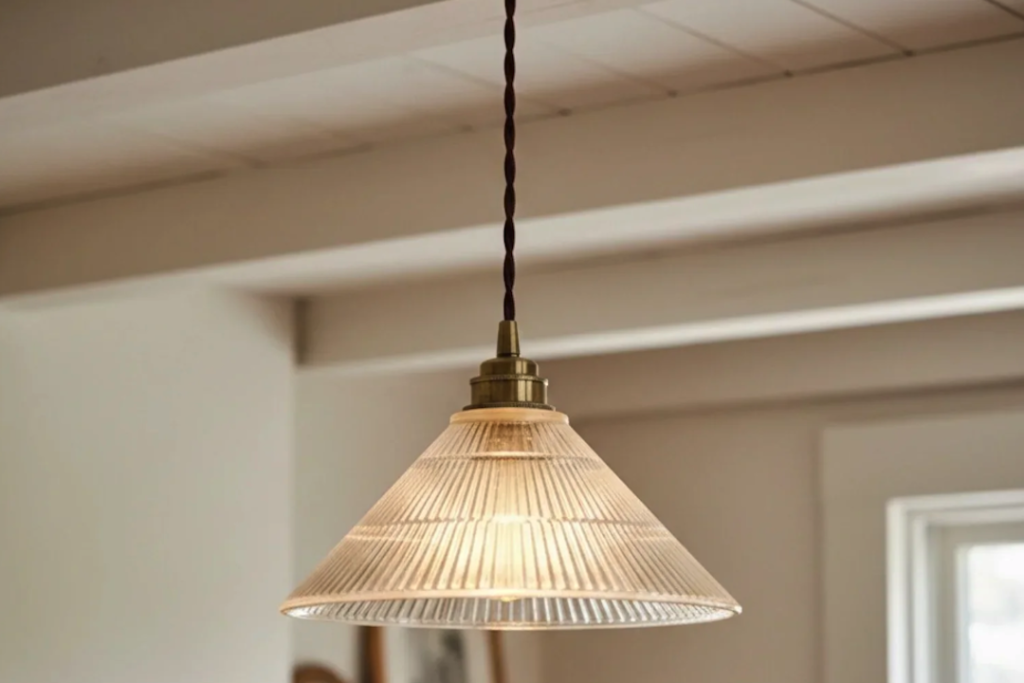
Nighttime Ambiance: Fluted Lighting’s Striped Shadows
Fluted lighting creates striped shadows by directing light through its ridged or grooved surface, which acts like a series of tiny lenses or baffles. These grooves obstruct and redirect portions of the light, resulting in distinct lines of shadow interspersed with lines of light. It’s a simple, elegant effect that can dramatically alter the feel of a room.
When we talk about fluted lighting, we’re not just discussing a light source Bowcharms; we’re talking about an experience. It’s about how light interacts with a specific material and the captivating patterns that emerge from that interaction. This isn’t your average diffused glow; it’s a deliberate play between light and dark that adds depth and character.
What Exactly is Fluting?
Fluting, in a design context, refers to a series of shallow, parallel grooves or channels. Think of a classical column with its vertical indentations – that’s fluting. When applied to lighting, this can manifest in various ways, from a fluted glass shade to a metal diffuser with a ribbed texture. The key is the repetitive, linear pattern that the light has to navigate.
Beyond Mere Brightness
The primary role of lighting is often seen as simply providing illumination. Fluted lighting, however, elevates this function. It adds an artistic dimension, turning light into a decorative element in its own right. Instead of just brightening a space, it sculpts it, defining surfaces and drawing attention to architectural details or textures that might otherwise go unnoticed.
How Striped Shadows Are Formed: The Science Behind the Style
Understanding the mechanics of how fluted lighting creates its distinctive striped shadows helps in appreciating its aesthetic appeal and in strategically incorporating it into design. It’s less about a complex scientific principle and more about the simple physics of light interaction.
Obstruction and Redirection
Imagine a light source emitting light in all directions. Now, place a fluted surface in front of it. The raised portions of the fluting block some of this light, casting shadows directly behind them. The recessed portions, on the other hand, allow light to pass through more freely, creating brighter lines. Additionally, the angled surfaces of the flutes can subtly redirect light, further intensifying the contrast between light and shadow.
The Role of Material and Texture
The material of the fluted element plays a significant role. Fluted glass, for instance, will create a softer, more diffused striped shadow compared to a solid metal fluted diffuser, which will produce sharper, more defined lines. The depth and spacing of the flutes also contribute – deeper, wider flutes will generally result in more pronounced shadows.
Light Source and Distance
The type of light source and its distance from the fluted surface and the target surface (wall, floor, etc.) also influence the shadow’s appearance. A more focused light source will create sharper shadows, while a diffuse source will soften them. Moving the fluted light fixture closer or further from a wall will change the size and intensity of the striped patterns. This offers a degree of control that designers can leverage to achieve specific effects.
Designing with Striped Shadows: Practical Applications
Incorporating fluted lighting isn’t just about picking a pretty fixture; it’s about understanding how those striped shadows will interact with your space and complement your overall design vision. It’s a tool for creating atmosphere and highlighting specific features.
Creating Visual Interest and Depth
One of the most powerful applications of fluted lighting is its ability to add visual interest. A plain wall can be transformed into a dynamic canvas of light and shadow. This immediately adds depth and texture to a room, preventing it from feeling flat or uninspired. It’s particularly effective in minimalist spaces where texture and subtle patterns are crucial for warmth.
Highlighting Architectural Features
Have a beautiful textured wall, an interesting ceiling detail, or a unique furniture piece you want to draw attention to? Fluted lighting can be strategically placed to cast its striped shadows across these elements, accentuating their form and material. Imagine stripes dancing across a brick wall, bringing out the rough texture, or subtly outlining the edges of a built-in bookshelf.
Defining Zones in Open-Plan Spaces
In open-plan living, defining different functional zones can be a challenge. Fluted lighting, particularly in pendant or wall-sconce form, can help delineate these areas without the need for physical barriers. A fluted pendant above a dining table will cast its unique shadows, subtly marking the dining area as distinct from the adjacent living space.
Enhancing Mood and Atmosphere
The striped shadows cast by fluted lighting inherently create a sense of intrigue and sophistication. They can evoke a feeling of calm and serenity in a bedroom, or add a touch of drama to an entertainment area. The dynamic interplay of light and shadow is much more engaging than uniform illumination, contributing to a richer, more nuanced atmosphere.
Choosing the Right Fluted Fixture: A Guide to Options
The world of fluted lighting is diverse, offering a range of styles, materials, and applications. Selecting the right fixture depends on your aesthetic preferences, the function of the light, and the overall design of your space.
Pendant Lights: The Statement Piece
Fluted pendant lights are often the stars of the show. Suspended above a dining table, kitchen island, or in an entryway, they become a focal point. Their striped shadows can cascade downwards, creating an intimate glow over a surface, or radiate outwards, washing the surrounding walls with their distinctive pattern.
- Glass Fluted Pendants: Offer a softer, more diffused striped effect, often creating a warm, inviting ambiance. They are versatile and suit various styles from contemporary to bohemian.
- Metal Fluted Pendants: Tend to produce sharper, more defined shadows, adding a touch of industrial chic or modern sophistication. Consider finishes like brass, matte black, or brushed nickel.
- Ceramic Fluted Pendants: Can offer a more artisanal, earthy feel, with the fluting sometimes being less uniform, lending to a handcrafted aesthetic.
Wall Sconces: Architectural Accents
Fluted wall sconces are excellent for adding ambient light and creating dramatic visual effects on vertical surfaces. They can frame doorways, highlight artwork, or simply add a textural element to a plain wall. The direction of the light (upward, downward, or both) will significantly impact the shadow pattern.
- Up-and-Down Fluted Sconces: Cast stripes both upwards towards the ceiling and downwards towards the floor, creating a balanced and expansive light pattern.
- Single-Direction Fluted Sconces: Focus the striped shadows in one direction, useful for highlighting specific features or for creating a more directional accent.
Table and Floor Lamps: Portable Patterns
Fluted table and floor lamps bring the beauty of striped shadows to a more localized scale. They can be used to define reading nooks, add accent lighting to corners, or simply provide a soft, ambient glow on a bedside table. The shadows cast by these fixtures are often more contained, offering a cozy and intimate feel.
- Small Fluted Table Lamps: Perfect for bedside tables, sideboards, or desks, adding a touch of character and focused task lighting.
- Tall Fluted Floor Lamps: Can act as sculptural elements, casting their striped patterns across larger wall expanses or pooling them subtly on the floor.
Integrated Fluting: A Seamless Approach
Beyond standalone fixtures, fluting can also be integrated into architectural elements themselves. Think of fluted ceiling panels that diffuse recessed lighting, or fluted panels built into cabinetry that allow light to escape in patterned strips. This approach creates a more seamless and sophisticated lighting effect, where the light and its pattern become an intrinsic part of the structure.
Maintenance and Considerations: Keeping the Stripes Sharp
While fluted lighting is generally low maintenance, there are a few practical considerations to keep in mind to ensure your striped shadows remain crisp and your fixtures stay looking their best.
Cleaning Fluted Surfaces
Dust and grime can accumulate in the grooves of fluted surfaces, which can soften or distort the striped shadow effect. Regular, gentle cleaning is essential.
- For Glass Fluting: Use a soft, lint-free cloth and a glass cleaner. For deeper grooves, a soft brush (like a dedicated cleaning brush or even a clean, soft toothbrush) can help dislodge dust.
- For Metal or Ceramic Fluting: A dry or slightly damp soft cloth is usually sufficient. Avoid abrasive cleaners that could scratch the finish.
Bulb Choice and Brightness
The type of bulb you use can impact the sharpness and intensity of the shadows.
- LED Bulbs: Are highly recommended due to their energy efficiency and long lifespan. Look for bulbs with a good CRI (Color Rendering Index) to ensure colors in your space are accurately represented.
- Dimmable Options: Opt for dimmable bulbs and fixtures. This allows you to adjust the intensity of the light and, consequently, the prominence of the striped shadows, adapting the ambiance to different times of day or occasions.
- Color Temperature: Consider the color temperature (Kelvin) of your bulbs. Warmer temperatures (2700K-3000K) create a cozy, inviting atmosphere, while cooler temperatures (3500K-4000K) can feel more modern and task-oriented. The color temperature doesn’t directly affect the stripes but influences the overall mood.
Placement and Orientation
Think about where you place your fluted lighting. The shadows will fall differently depending on the distance to a wall or surface, and the angle of the light source. Experimenting with placement before final installation can save you a headache.
- Wall Proximity: Placing a fluted wall sconce closer to the wall will result in more defined, often narrower stripes. Moving it further away will cause the stripes to spread out and soften.
- Ceiling Height: For pendant lights, consider ceiling height. Too high and the shadows might be too diffuse; too low and they might be overpowering or in the way.
- Reflective Surfaces: Be mindful of reflective surfaces like mirrors or polished floors. These can multiply the striped patterns, which can be an interesting effect but also potentially overwhelming if not carefully considered.
Fluted lighting, with its captivating striped shadows, offers a unique way to sculpt and define a space. It moves beyond mere functionality, transforming light into an artistic medium that adds depth, texture, and a distinctive character to any room. By understanding how these patterns are created and how to effectively integrate them into your design, you can harness the power of fluted lighting to craft truly enchanting nighttime ambiances.